How to Overwinter Big sagebrush
1
Big sagebrush flourishes in soil that drains effectively and can withstand periods of dryness.
2
Trimming Big sagebrush promotes its well-being and guards against harm caused by significant snowfall.
3
Applying mulch around the plant's base offers root protection from frigid temperatures.
What is Big sagebrush?
What is Big sagebrush?
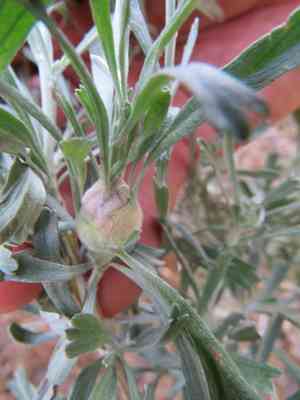
Big sagebrush, scientifically known as Artemisia tridentata, is a robust shrub indigenous to North America's arid regions. It's a characteristic plant frequently observed in deserts and sagebrush steppe ecosystems. Featuring silver-gray foliage and an aromatic scent, Big sagebrush can reach heights of up to 3 meters (10 feet), making it a prominent element in both natural environments and home gardens. Its hardiness and drought resistance make it an excellent option for those wishing to incorporate a touch of nature's rugged beauty into their outdoor spaces.
Preparing Big sagebrush for Winter
Assessing Plant Health
The initial step in readying your Big sagebrush for winter involves evaluating its overall condition. Look for indications of illness, pest infestations, and structural soundness. Healthy plants exhibit greater resilience against winter stressors. Remove any dead or diseased branches and ensure the plant is well-established before the first frost arrives.
Pruning Guidelines
Pruning is vital for maintaining the well-being and appearance of your Big sagebrush, particularly before winter. Trim back overgrown branches to prevent snow accumulation and potential breakage. Aim for a balanced form and remove branches that are too close to the ground, as they are more prone to rot. Always use clean, sharp pruning shears to avoid introducing diseases.
How to Protect Big sagebrush From Winter Elements?
Mulching Techniques
Mulching offers an effective method to insulate the roots of Big sagebrush from freezing temperatures. Apply a 5-10 cm (2-4 inch) layer of mulch around the plant's base, utilizing organic materials such as straw, wood chips, or compost. This mulch will aid in retaining soil moisture and safeguarding the roots from extreme cold.
Wind and Snow Barriers
In regions susceptible to strong winds and heavy snowfall, consider erecting wind and snow barriers around your Big sagebrush. You can employ burlap, snow fencing, or even strategically placed wooden stakes to shield the plant. These barriers will help lessen wind desiccation and prevent snow from accumulating directly on the shrub, which can lead to branch damage.
Watering Big sagebrush During Winter
Frequency and Amount
Although Big sagebrush is drought-tolerant, it still requires some moisture during the winter, especially in dry climates. Water the plant thoroughly before the ground freezes, providing approximately 3-5 liters (1-1.5 gallons) of water. Throughout the winter, water the plant sparingly, only when the soil feels dry to the touch and the temperature is above freezing to prevent root rot.
Monitoring Big sagebrush for Winter Damage
Identifying Frost Damage
Frost damage on Big sagebrush typically manifests as blackened or wilted leaves and stems. Keep an eye out for these indicators, particularly after especially cold nights. Pay close attention to the plant's tips, as they are most susceptible to frost.
Immediate Steps to Take
If you observe frost damage, promptly prune the affected areas to prevent disease spread. Make clean cuts just above a healthy bud or leaf node. Continue to monitor the plant throughout winter, providing protection and care as necessary.



