How to Overwinter Common wormwood
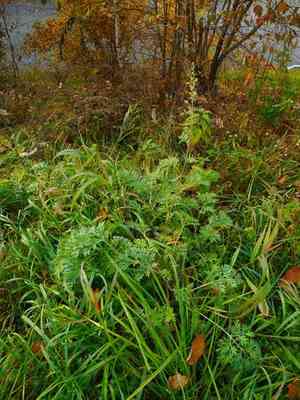
1
Common wormwood is a resilient plant, capable of enduring freezing temperatures.
2
Trim your Common wormwood prior to winter to promote its health as temperatures fall.
3
Place indoor Common wormwood plants in a brightly lit area, avoiding direct sun exposure.
Is Common wormwood Frost Hardy?
Is Common wormwood Frost Hardy?
Common wormwood, recognized for its silver-hued foliage and therapeutic qualities, exhibits frost tolerance, meaning it can endure low temperatures, even down to -10°C (14°F). This characteristic makes it an excellent option for gardeners in regions experiencing severe winters. However, while it can survive frost, providing proper care ensures a robust, flourishing plant by spring.
Preparing Common wormwood for Winter
Pruning and Cutting Back
As the cold season nears, a vital step in readying your Common wormwood is pruning. Reduce the plant's height to approximately 10-15 cm (4-6 inches). This aids in removing dead or diseased sections, ensuring the plant's energy is directed towards healthy areas. Utilize clean, sharp pruning shears for precise cuts, minimizing the risk of infection.
Soil and Mulching
Appropriate soil management is crucial for overwintering Common wormwood. Ensure your plant resides in well-draining soil to prevent root rot. Applying a layer of mulch around the baseâroughly 5-8 cm (2-3 inches) thickâoffers insulation. Use organic mulch such as straw, leaves, or compost for added nutrients and protection against temperature fluctuations.
Watering Needs
Watering requirements diminish as the plant enters dormancy. Prior to the first frost, water deeply to hydrate the roots. Afterward, water sparingly. The soil should be moist but not saturated. Excessive watering during winter can lead to root rot or fungal issues, so always check soil moisture before irrigating.
Indoor Care for Overwintering Common wormwood
Choosing the Right Location
If you intend to bring your Common wormwood indoors, select a spot that replicates its outdoor conditions. A bright location is ideal, but ensure it's shielded from direct sunlight to prevent leaf burn. East or west-facing windows are perfect, providing ample indirect illumination.
Temperature Considerations
Common wormwood prefers cooler temperatures, so maintain your indoor environment between 10-15°C (50-59°F). Avoid placing it near heat sources like radiators or vents, as sudden temperature spikes can stress the plant. A consistent, cool environment will effectively support its dormancy period.
Light Requirements
While Common wormwood requires bright light, it should be indirect to prevent damage. During winter, daylight hours are shorter, so consider using grow lights to supplement natural light. Position the grow light about 30 cm (12 inches) from the plant and operate it for 10-12 hours daily to simulate a natural day-night cycle.
Care Tips for Transitioning Back Outdoors
Gradual Exposure
As spring approaches and temperatures rise, it's time to move your Common wormwood back outdoors. Begin by placing it outside for a few hours daily, progressively increasing the duration over two weeks. This method helps the plant adapt to the changing environment without shock.
Monitoring for Pests and Diseases
Before reintroducing Common wormwood to your garden, thoroughly inspect it for any indications of pests or diseases. Address any issues before moving the plant outdoors. Regularly monitor the plant during its initial weeks outside to ensure it adjusts well and remains healthy.



