How to Overwinter Sea thrift
1
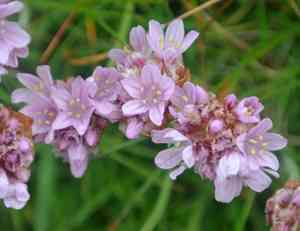
Armeria maritima tolerates frost, indicating its ability to withstand low temperatures.
2
Appropriate winter maintenance for Armeria maritima promotes vigorous spring development.
3
Armeria maritima thrives in soil that drains effectively to avoid root decay in colder periods.
Why is Overwintering Important for Sea thrift?
Why is Overwintering Important for Sea thrift?
Protecting Sea thrift through winter is vital for its well-being and to ensure abundant spring blooms. While Sea thrift is resilient to cold, providing extra care significantly boosts its post-winter vitality. Proper winterization helps prevent frost damage, dehydration, and root rot, preparing it for vigorous, healthy growth when warmer weather returns.
Preparing Sea thrift for Winter
Pruning and Tidying
Begin winter preparations by trimming Sea thrift plants. Remove any dead or diseased leaves and flowers to lessen the risk of pest and disease issues during winter. A neat plant is more resistant to cold and less likely to harbor harmful insects. Cutting back foliage can also stimulate root development, strengthening the plant for the upcoming spring.
Mulching Techniques
Mulching is a crucial step for safeguarding Sea thrift in colder months. Apply a 5-8 cm (2-3 inch) layer of mulch around the plant's base to insulate its roots. Utilize organic materials such as straw, pine needles, or shredded leaves. Mulch not only provides warmth but also retains moisture and prevents soil erosion. It's a simple yet effective way to give your Sea thrift an advantage against the cold.
Watering Adjustments
As temperatures fall, modify your watering routine. Reduce watering frequency, but avoid letting the soil completely dry out. Aim for the soil to be slightly damp, about 2-3 cm (1 inch) deep. This balance is critical because overly wet soil can cause root rot, while excessively dry conditions can dehydrate the plant. As a general guideline, water Sea thrift when the top 2-5 cm (1-2 inches) of soil feels dry.
Ideal Winter Conditions for Sea thrift
Temperature Requirements
Although Sea thrift is cold-hardy, it thrives best when temperatures remain above -10°C (14°F). If you are in an area where temperatures drop lower, consider adding more mulch or providing extra cover with frost blankets. Shielding the plants from harsh, cold winds can further help maintain a suitable microclimate.
Sunlight and Shade
Sea thrift flourishes in full sun, and even in winter, it benefits from maximum light exposure. If your plant is potted, move it to a spot where it can receive ample sunlight. For garden-planted Sea thrift, ensure nearby plants or structures do not cast excessive shade. Sufficient sunlight is essential for photosynthesis and maintaining plant health throughout the winter.
Common Winter Issues and Solutions for Sea thrift
Frost Damage
A primary concern during winter is frost damage. To protect Sea thrift, use frost cloths or blankets on extremely cold nights. If frost damage occurs, prune the affected areas in early spring to prevent disease. Regularly inspecting your plants for frost damage and addressing it promptly can minimize long-term harm.
Preventing Root Rot
Wet and compacted soil can lead to root rot, a serious problem for Sea thrift. Ensure proper drainage in the planting area. If needed, amend the soil with sand or gravel to improve drainage. Monitor rainfall and adjust your watering schedule accordingly. The goal is to keep the soil adequately moist, without becoming waterlogged.



