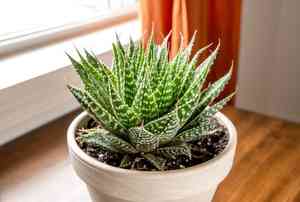
How to Overwinter Guinea-fowl aloe
1
Guinea-fowl aloe is somewhat resilient, capable of enduring minor frost but requiring shelter from extreme cold.
2
The perfect indoor winter temperature for Guinea-fowl aloe is between 10-15°C (50-59°F).
3
Refrain from excessive watering in winter; irrigate lightly roughly every 3-4 weeks.
Evaluating the Guinea-fowl aloe's Requirements
Evaluating the Guinea-fowl aloe's Requirements
Prior to winter's arrival, it's crucial to assess Guinea-fowl aloe's specific needs. As a semi-hardy succulent, Guinea-fowl aloe cannot endure extremely low temperatures and requires particular attention to thrive in colder periods. This plant can tolerate minor frost, but prolonged cold temperatures below -1°C (30°F) can cause damage. Therefore, if you reside in an area where winter temperatures consistently fall below this point, it's advisable to plan accordingly by relocating it indoors or providing sufficient outdoor protection.
How to Prepare Guinea-fowl aloe for Indoor Wintering
Selecting the Appropriate Location
When bringing your Guinea-fowl aloe indoors for winter, choose a spot that closely replicates its natural environment. Opt for a south-facing room with ample indirect sunlight. Avoid placing it near drafts or directly by heating vents, as abrupt temperature shifts can stress the plant.
Ensuring Adequate Lighting Conditions
While indoors, Guinea-fowl aloe needs bright but indirect illumination. If natural light is insufficient, consider supplementing with a grow light. Position the grow light approximately 15-30 cm (6-12 inches) above the plant to prevent scorching while guaranteeing sufficient light. Aim for about 8-10 hours of light daily to maintain the plantâs health during shorter winter days.
Maintaining Optimal Temperature and Humidity
Guinea-fowl aloe prefers cooler indoor temperatures during winter, ideally between 10-15°C (50-59°F). Keep humidity levels low, as high humidity can lead to fungal problems and root rot. Use a dehumidifier if necessary, and ensure the area is well-ventilated.
How to Water and Fertilize Guinea-fowl aloe During Winter
Watering Schedule
Watering requirements for Guinea-fowl aloe decrease considerably during winter. Water sparingly, approximately every 3-4 weeks. Ensure the soil is completely dry before the next watering to prevent root rot. Always use well-draining soil and containers to assist with better water management.
Feeding Requirements
Fertilizing Guinea-fowl aloe during winter is generally not needed since the plant's growth slows down significantly. If you wish to encourage some growth, use a diluted, balanced succulent fertilizer once during the winter months. Excessive feeding can harm the plant, so err on the side of caution.
Resolving Common Winter Issues for Guinea-fowl aloe
Addressing Yellowing Leaves
Yellowing leaves can indicate overwatering or insufficient light. Check if the soil is waterlogged, and if so, allow it to dry out completely before the next watering. Also, ensure that the plant receives adequate lightâadjust its position or use a grow light if necessary.
Managing Pests and Diseases
Indoor plants can sometimes attract pests like spider mites or mealybugs. Regularly inspect your Guinea-fowl aloe and treat any infestations with insecticidal soap or Neem oil. Fungal infections can be managed by controlling humidity levels and ensuring proper air circulation.
Preventing Root Rot
Root rot is a common problem resulting from overwatering or poorly draining soil. To prevent it, always use well-draining soil and water the plant sparingly. If root rot occurs, remove the plant from its pot, trim away affected roots, and repot in fresh, dry soil.



