How to Overwinter Areca palm
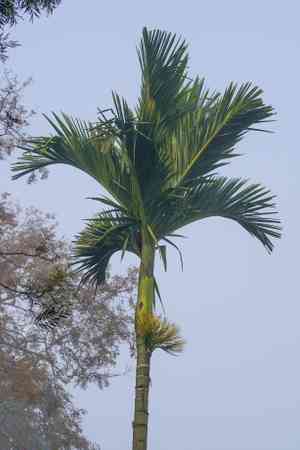
1
Areca palm flourishes in well-lit, diffused light.
2
Refrain from excessive watering of your Areca palm in colder periods.
3
Keep indoor moisture levels near 60% for the best Areca palm well-being.
The Significance of Overwintering Areca palm
The Significance of Overwintering Areca palm
Protecting your Areca palm during winter is vital as it's a delicate plant unable to withstand frost. Originating from Madagascar and India, the Areca palm flourishes in warm, tropical environments. When temperatures fall below 10°C (50°F), these palms can suffer from cold damage, leading to wilting, leaf discoloration, and even death. By moving your Areca palm indoors and providing proper winter care, you guarantee its survival and encourage robust growth once warmer seasons return.
Preparing Your Areca palm for Winter Protection
Plant Inspection and Cleaning
Before relocating your Areca palm indoors, thoroughly check it for any pests, diseases, or debris. Gently wipe the leaves with a damp cloth to remove dust and potential pests. This step not only maintains plant health but also prevents indoor infestations.
Trimming Dead or Damaged Foliage
Remove any yellow, brown, or damaged leaves using clean, sharp scissors or pruning shears. Pruning dead foliage helps the plant conserve energy and promotes new growth. Ensure clean cuts to avoid unnecessary stress on the plant.
Adjusting Irrigation Requirements
During winter, the Areca palm's need for water decreases. Allow the top 2-3 centimeters (1 inch) of the soil to dry out between waterings. Excessive watering can lead to root rot and other fungal issues, so it's best to be cautious.
Ensuring Proper Soil and Containerization
Ensure your Areca palm is potted in well-draining soil, ideally a mix formulated for palms or a blend of potting soil, perlite, and sand. If the plant has outgrown its current container, repot it into one that's 2-5 centimeters (1-2 inches) larger in diameter to support healthy root development.
Optimal Indoor Conditions for Areca palm During Winter
Ideal Illumination Levels
Position your Areca palm in a spot that receives bright, indirect light. Avoid direct sunlight, which can scorch the leaves, but ensure it gets sufficient light to support its growth.
Temperature Requirements
Maintain indoor temperatures between 18-24°C (65-75°F) for optimal growth. Avoid placing the palm near drafts, heating vents, or cold windows, as sudden temperature shifts can stress the plant.
Humidity Management
Keep indoor humidity levels around 50-60%. You can increase humidity by placing a humidifier nearby, misting the leaves regularly, or setting the pot on a tray filled with water and pebbles.
Common Overwintering Issues and Solutions
Yellowing Leaves
Yellowing leaves can indicate overwatering, insufficient light, or nutrient deficiencies. Adjust watering schedules, ensure adequate light, and consider using a balanced, diluted fertilizer if necessary.
Pest Infestations
Common pests include spider mites, mealybugs, and scale. If you notice pests, isolate the plant and treat it with insecticidal soap or neem oil. Regularly check the leaves and soil to catch infestations early.



