How to Overwinter Christmas berry
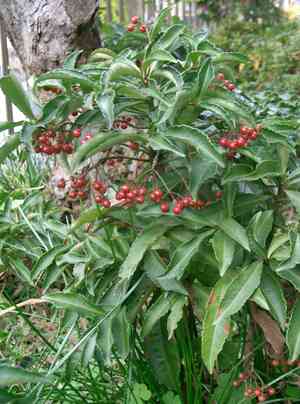
1
Christmas berry tolerates cold well but still benefits from appropriate winter care to flourish.
2
Begin winter preparations for your Christmas berry in early autumn for a smooth changeover.
3
Applying mulch can greatly aid in safeguarding the root structure of your Christmas berry through severe winters.
Understanding Overwintering and Its Importance
What is Overwintering and Why is it Important?
Overwintering refers to the process of preparing plants to endure the winter period, especially in colder climates. For your Christmas berry, this involves methods to shield it from harsh environmental conditions, ensuring its health and readiness to flourish in spring. This practice is particularly crucial for plants grown in areas with severe winter weather, as it prevents potential harm from frost and strong winds. When executed correctly, overwintering not only safeguards your plant but also establishes the foundation for vigorous growth in the subsequent year.
Preparing Christmas berry for Winter
When to Start Preparation?
Initiate preparations for your Christmas berry's winter survival in early autumn, ideally from late September to early October. This timing allows the plant to gradually adapt to declining temperatures. It's vital to monitor weather forecasts and begin preparations before the anticipated first frost. Early preparation is key to minimizing shock and ensuring a smooth transition for your plant.
Essential Tools and Materials
To successfully overwinter your Christmas berry, you'll require certain tools and supplies. Here's a brief list: Pruning shears for trimming foliage Mulch like straw, leaves, or wood chips Protective coverings such as burlap or frost blankets Watering can or hose with a gentle spray Gardening gloves and tools for soil and plant care. Having these items prepared will enable efficient and effective winter preparation for your plant.
Steps to Overwinter Christmas berry
Pruning and Cleaning the Plant
Begin by pruning your Christmas berry to remove any dead or damaged branches. This helps the plant conserve energy and prevents potential diseases. Use sharp, clean pruning shears for precise cuts. Additionally, clear away fallen leaves and debris from around the plant's base to reduce the risk of pests and diseases during winter.
Mulching and Soil Care
Apply a thick layer of mulch around the base of your Christmas berry, aiming for approximately 5-10 cm (2-4 inches). This serves as an insulating layer, protecting the roots from temperature fluctuations and retaining soil moisture. Organic mulches, such as straw or wood chips, are highly effective. Ensure the mulch is spread evenly and avoid piling it directly against the plant's stem, which can cause rot.
Managing Watering Needs
Although Christmas berry is frost-hardy, maintaining appropriate soil moisture is crucial. Water the plant thoroughly before the ground freezes to ensure it has sufficient moisture for winter. During the colder months, reduce watering frequency. Check soil moisture periodically and water only if the top layer is dry. Overwatering can lead to root rot, so it's best to be cautious.
Using Protective Covers
For added protection during particularly harsh winters, utilize protective covers like burlap or frost blankets. These covers provide an extra layer of insulation against frost and cold winds. Drape the cover over the plant, ensuring it reaches the ground to effectively trap heat. Secure the cover with stakes or weights to prevent it from blowing away. Remember to remove the cover on milder days to allow air circulation and prevent mold.



