How to Overwinter Japanese angelica tree
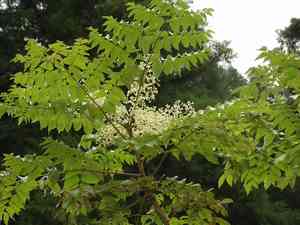
1
The Japanese angelica tree tolerates cold well but thrives with extra winter care.
2
Adequate mulching greatly improves the tree's resilience against freezing temperatures.
3
Timely preparation in autumn is crucial for the Japanese angelica tree's winter survival.
Understanding Japanese angelica tree and Its Frost Hardiness
Understanding Japanese angelica tree and Its Frost Hardiness
The Japanese angelica tree is a robust species with an impressive capacity to withstand low temperatures, earning its reputation as a cold-tolerant plant. However, even resilient plants can suffer harm during extremely cold or unpredictable winters. Comprehending the inherent hardiness of this tree will assist you in better safeguarding it during the colder months. Typically cultivated outdoors, the Japanese angelica tree can tolerate sub-freezing temperatures but benefits from additional care to prevent frost damage, especially for younger or more exposed trees.
Preparing Japanese angelica tree for Winter
When to Start Preparing
It's vital to commence winter preparations for your Japanese angelica tree in late autumn. Around late October to early November, begin monitoring local weather forecasts for consistent temperature drops. Starting early allows the tree to gradually adapt to colder conditions, lessening the shock of sudden temperature changes.
Essential Tools and Materials
Gathering the correct tools and supplies can make winterizing your tree more efficient and effective. Key items include: Mulch (e.g., straw, pine needles, or wood chips) Burlap or tree wrap Stakes and ties (for creating windbreaks) Watering can or hose (for late-season watering) Slow-release fertilizer
Winter Mulching Techniques for Japanese angelica tree
Best Mulch Materials
Utilizing the appropriate mulch materials can significantly influence how well your Japanese angelica tree endures winter. Optimal mulch choices include straw, pine needles, shredded leaves, or wood chips. These materials help retain soil moisture, regulate soil temperature, and provide a barrier against frost.
Step-by-Step Mulching Process
Clear away any fallen leaves or debris from around the tree's base. Apply a 7-10 cm (3-4 inch) thick layer of mulch uniformly around the tree's base, extending outwards to the edge of the tree's canopy. Ensure the mulch does not directly touch the trunk to prevent rot and pest issues. For enhanced protection, create a small mound of mulch around the tree's root zone to insulate against deep frost.
Watering and Feeding Japanese angelica tree During Winter
Adjusting Watering Frequency
Watering requirements change during the winter months. Before the ground freezes, provide your Japanese angelica tree with a thorough watering, ensuring the soil is moist but not waterlogged. During winter, decrease the frequency of watering to avoid waterlogged roots, especially if precipitation is high. Monitor the soil, and only water when it is dry several centimeters (1-2 inches) below the surface.
Winter Nutrient Requirements
Apply a slow-release, balanced fertilizer in late fall to supply your tree with essential nutrients throughout the winter. Avoid high-nitrogen fertilizers at this time, as they can promote new growth that is vulnerable to frost damage. Look for fertilizers labeled for winter or fall application to ensure they meet the tree's dormant period needs.
Protecting Japanese angelica tree from Severe Weather
Using Burlap and Tree Wraps
Wrapping your tree in burlap or specialized tree wraps can offer additional defense from severe cold and harsh winds. To do this: Secure the burlap or wrap around the tree trunk and lower branches. Use stakes or ties to keep the wrap in place. Ensure the wrap is snug but not too tight to allow for some air circulation.
Creating Windbreaks
Windbreaks are crucial for shielding your Japanese angelica tree from strong winter winds, which can dehydrate and harm the tree. To create an effective windbreak: Place stakes around the tree, forming a barrier on the windward side. Attach burlap or windbreak fabric to the stakes, creating a solid shield. Ensure the windbreak extends above the tree for full coverage.
Monitoring Japanese angelica tree Throughout Winter
Regular Inspections
Regularly inspect your Japanese angelica tree during the winter months. Look for signs of stress or damage from cold, wind, or pests. Frequent checks will help you identify and address issues promptly, preventing long-term damage. Aim to inspect at least monthly or after severe weather events.
Identifying and Addressing Issues
Common winter problems include frost cracks, broken branches, and signs of desiccation (drying out). If you spot frost cracks, consider wrapping the trunk to prevent further damage. Prune any broken or damaged branches carefully with sanitized tools to prevent disease. Additionally, ensure the soil remains appropriately moist and replenish mulch as needed to protect root zones.



