How to Overwinter Garden snapdragon
1
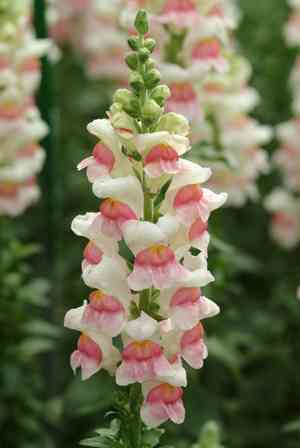
Garden snapdragon flourishes in both indoor and outdoor settings, offering adaptability across different environments.
2
Mulching aids in safeguarding Garden snapdragon roots against frost.
3
Effective pest management and disease surveillance are vital for successful overwintering.
Why Overwinter Garden snapdragon?
Why Overwinter Garden snapdragon?
The Garden snapdragon is a lovely and robust flowering plant that can add vivid color to your garden even during the coldest periods. Overwintering Garden snapdragon ensures you can enjoy their blossoms throughout the year. By taking the necessary precautions to shield them from frost and freezing temperatures, you can boost their lifespan and vitality. Whether you aim to preserve its bright flowers through winter or simply want to give it a head start for the next growing season, overwintering is crucial.
Preparing Garden snapdragon for Overwintering
Assessing Plant Health
Before beginning the overwintering process, evaluate the health of your Garden snapdragon. Remove any dead or diseased foliage to prevent the spread of pests and illnesses. Healthy plants have a much better chance of surviving the winter months. Look for strong stems and vibrant leaves, as these indicate a robust plant.
Pruning and Cleaning
Trim your Garden snapdragon to remove any dead or weak stems. This not only helps the plant conserve energy during colder months but also lowers the risk of disease. Clean around the plant's base to remove any debris that could harbor pests. A tidy plant bed is less appealing to insects and fungi.
Applying Mulch
Mulching is a vital step in safeguarding your Garden snapdragon's roots from freezing temperatures. Apply a layer of mulch, approximately 5-7 cm (2-3 inches) thick, around the plant's base. Organic mulch like straw, leaves, or wood chips works best. This helps insulate the soil and maintain a consistent temperature, ensuring the roots stay warm and protected.
Indoor Overwintering Tips for Garden snapdragon
Choosing the Right Pots
If you plan to bring your Garden snapdragon indoors, select appropriate containers. Opt for pots with sufficient drainage holes to prevent waterlogging, which can lead to root rot. The pot should be large enough to comfortably accommodate the plant's root system, allowing space for growth during the winter months.
Ideal Indoor Conditions
Inside the home, Garden snapdragon thrives in a cool, bright environment. Position the pots near a south-facing window for maximum light exposure. Maintain temperatures around 10-15°C (50-59°F) to mimic their natural habitat. Avoid placing them near heat sources like radiators, as excessive heat can stress the plants.
Garden snapdragon Overwintering: Outdoor Tips
Choosing the Right Cover
For outdoor overwintering, select the appropriate cover to protect your Garden snapdragon. Frost cloths or garden fleece can provide an additional layer of warmth. Ensure the cover extends well beyond the plant's base to effectively trap heat. Secure the edges with stones or pegs to prevent wind from blowing it away.
Protecting the Roots
In addition to applying mulch, consider adding a second layer of protection for the roots. Cover the plant's base with a plastic cloche or a similar protective covering. This creates a micro-greenhouse effect, helping to maintain soil warmth and protect the roots from severe frost.
Common Overwintering Issues with Garden snapdragon
Pest Control
Pests can be a significant problem when overwintering Garden snapdragon. Aphids, mites, and other insects might seek refuge in the warmer environment. Regularly inspect the plants and use organic insecticidal soap if necessary. Maintaining cleanliness around the plants can also help deter pests.
Monitor for Diseases
Diseases like powdery mildew and root rot can affect Garden snapdragon during the overwintering phase. Monitor your plants for any signs of disease, such as discolored leaves or unusual growth patterns. If you detect disease, isolate the affected plant and treat it with appropriate fungicides. Proper ventilation and avoiding overwatering can also prevent many common issues.



