How to Overwinter Flamingo flower
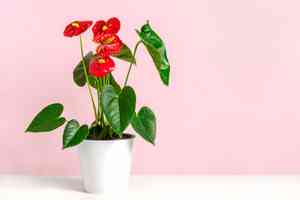
1
Anthurium andraeanum 1 flourish optimally in temperatures ranging from 20°C to 25°C (68°F to 77°F).
2
Keep humidity levels between 60-80% to replicate their native environment.
3
Excessive watering is a frequent error; allow the soil to become dry before re-watering.
Why Do Flamingo flowers Need Special Care in Winter?
Why Do Flamingo flowers Need Special Care in Winter?
As tropical flora, Flamingo flowers are not cold-hardy and are susceptible to low temperatures. During colder months, their development slows, making them more vulnerable to stress from variations in light, temperature, and moisture. These elements necessitate specific attention to ensure their continued health and flourishing.
Preparing Flamingo flowers for Winter
Inspecting for Pests and Diseases
Prior to moving Flamingo flowers indoors for winter, thoroughly check the plants for pests and illnesses. Look for indicators such as discolored foliage, spots, or sticky residue. Address any infestations promptly using organic insecticidal soap or neem oil. This measure prevents the spread of pests and diseases to other indoor plants and ensures your Flamingo flower is healthy before the winter season begins.
Pruning and Trimming
Trim your Flamingo flowers to remove any dead or yellowed leaves. This not only enhances the plant's appearance but also directs its energy towards robust development. Cutting back any overgrown sections can improve air circulation around the plant, lowering the risk of fungal infections.
Repotting If Necessary
If your Flamingo flower has outgrown its container or the soil has become compacted, consider transplanting it into a slightly larger pot. Utilize a well-draining potting mix, such as one recommended for orchids or other tropical plants, to ensure proper root vitality. Repotting can provide the plant with a fresh start and essential nutrients to sustain it through the winter.
Creating the Ideal Indoor Environment
Optimal Temperature and Humidity
Flamingo flowers prefer a warm setting with temperatures between 20°C to 25°C (68°F to 77°F). Keep them away from drafts, chilly windows, and heating vents. Humidity is equally crucial; aim to maintain a moisture level of 60-80%. You can use a humidity tray or a humidifier to achieve this.
Light Requirements
Position your Flamingo flower in a spot where it can receive bright, indirect illumination. Direct sunlight can scorch its leaves, while insufficient light can impede its growth. If natural light is inadequate, consider using grow lights for supplementation.
Proper Watering Techniques
Water your Flamingo flower thoroughly but allow the top 2-5 cm (0.8-2 inches) of soil to dry out between waterings. Excessive watering can lead to root rot, which is harmful to the plant. Reduce watering frequency during winter as the plant's growth slows down. Always ensure the pot has drainage holes to prevent water from accumulating at the bottom.
Monitoring Flamingo flowers Throughout Winter
Checking for Pests and Diseases
Regularly inspect your Flamingo flower for any indications of pests or diseases throughout winter. Indoor environments can sometimes harbor pests like spider mites or aphids. If detected, treat immediately with appropriate remedies to prevent infestations from worsening.
Adjusting Care Based on Plant Health
Observe your Flamingo flower's overall well-being, including leaf coloration and growth patterns. If you notice any issues, such as yellowing leaves or stunted development, modify your care routine. This might involve altering the watering schedule, enhancing humidity, or relocating the plant to a more suitable light condition.



