How to Overwinter Broomsedge bluestem
1
Broomsedge bluestem is a cold-tolerant grass, allowing it to thrive in chilly environments.
2
Adequate mulching can safeguard Broomsedge bluestem's root system over winter.
3
Pruning late in the season is crucial for vigorous spring growth.
What is Broomsedge bluestem?
What is Broomsedge bluestem?
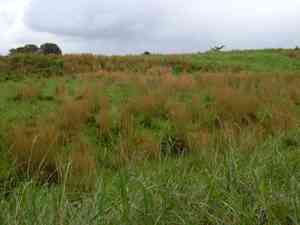
If you're seeking a robust and appealing grass for your garden, Broomsedge bluestem could be an ideal selection. This perennial grass is recognized for its distinctive golden-bronze hue, which imparts a sense of warmth to any landscape, particularly in autumn and winter. Hailing from North America, Broomsedge bluestem flourishes in meadows, prairies, and open woodlands, and is frequently employed in ornamental gardens due to its visual charm and resilience. Its capacity to endure poor soil conditions makes it a favored option among both new and seasoned gardeners.
Essential Steps to Overwinter Broomsedge bluestem
Late Season Pruning
As the growing period concludes, it's vital to prune Broomsedge bluestem. Trimming late in the season helps eliminate dead and diseased foliage, which can harbor pests and illnesses throughout winter. Cut the grass back to roughly 15 cm (6 inches) to encourage vigorous growth in spring. Regular pruning not only supports the plant's health but also enhances its appearance during colder periods.
Mulching the Base
Mulching is a critical step to safeguard Broomsedge bluestem during winter. Apply a thick layer of mulch around the plant's base, ideally 5-10 cm (2-4 inches) deep. Mulch functions as an insulating layer, protecting the roots from extreme cold and temperature fluctuations. Utilize organic materials such as straw, leaves, or pine needles to ensure effective insulation and nutrient supply. Mulching also aids in retaining soil moisture, which is crucial during dry winter conditions.
Watering Requirements in Winter
While Broomsedge bluestem is drought-tolerant, it still needs some moisture during winter. Ensure the soil stays slightly damp by providing occasional watering during extended dry spells. Avoid overwatering, as this can lead to root rot. Aim to water approximately once a month, making sure the soil doesn't completely dry out. Using 1-2 liters (0.25-0.5 gallons) of water per plant per watering should be sufficient, depending on the weather conditions.
Common Issues During Overwintering Broomsedge bluestem
Pest and Disease Management
Overwintering Broomsedge bluestem can sometimes attract pests and diseases. Common pests include aphids and spider mites, which can be managed using insecticidal soaps or natural predators like ladybugs. Prevent fungal diseases by ensuring good air circulation and avoiding waterlogging. If you observe any signs of disease, remove affected areas promptly and treat with appropriate fungicides if necessary.
Preventing Frost Damage
Even though Broomsedge bluestem is frost-hardy, prolonged exposure to extreme cold can cause harm. To prevent frost damage, consider using frost blankets or cloches during particularly severe weather. Ensure the plant is situated in a sheltered spot, away from chilling winds. If you're cultivating Broomsedge bluestem in containers, relocate them to a more protected area like a garage or shed during the coldest months.



