How to Overwinter Pearly everlasting
1
Anaphalis margaritacea tolerates cold well, making it a robust option for cooler regions.
2
Trim Anaphalis margaritacea in mid-autumn to ready it for the winter season.
3
Adequate mulching assists in protecting roots from severe cold weather.
Understanding Frost Hardiness of Pearly everlasting
Understanding Frost Hardiness of Pearly everlasting
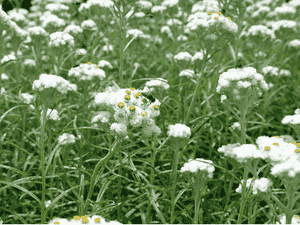
Pearly everlasting (Anaphalis margaritacea) is a charming perennial recognized for its clusters of white, paper-like blooms and silvery foliage. A significant benefit of this plant is its ability to withstand frost. This means it can endure quite low temperatures, making it a sturdy option for gardeners in various climate zones. Nevertheless, even the most resilient plants require some level of preparation and attention to flourish during the harsh winter months.
When to Start Preparing Pearly everlasting for Winter
Monitoring Weather Changes
A crucial step in getting Pearly everlasting ready for winter is closely observing the weather. Sudden drops in temperature can catch gardeners unprepared, but by checking local forecasts, you can ensure your plants are ready for the initial frost. Begin monitoring weather patterns and plan your preparations to coincide with the start of cold temperatures, typically in late autumn.
Optimal Timing for Preparations
The ideal time to start preparing Pearly everlasting is in mid-fall, around late October or early November. This allows the plant to gradually adapt to the approaching cold. During this period, start reducing watering frequency and begin other overwintering steps to ensure a smooth transition for the plant.
What Steps to Take to Overwinter Pearly everlasting
Pruning the Plant
Pruning is vital for winter readiness, helping to prevent disease and encourage vigorous growth. Cut back the stems to approximately 5-7 cm (2-3 inches) above the ground. Be careful not to over-prune, as leaving some stem and foliage can shield the plant's base from frost.
Mulching for Insulation
Applying a thick layer of mulch around the base of Pearly everlasting can effectively insulate the roots from extreme cold. Use organic materials such as straw, shredded leaves, or bark mulch. Aim for a 5-8 cm (2-3 inches) thick layer for optimal protection.
Watering Techniques
Proper watering before the ground freezes is critical. Reduce watering as fall progresses but ensure the soil remains slightly moist. Water deeply about a week before the first expected frost to provide the plant with adequate moisture, as this helps prevent root desiccation.
Pest and Disease Control
Inspect your plant for any signs of pests or disease before winter sets in. Remove any infected parts to prevent spread during the dormant season. Applying an organic fungicide can also help keep potential diseases at bay.
Common Mistakes to Avoid While Overwintering Pearly everlasting
Over-Pruning
While pruning is necessary, cutting the plant back too much can expose it to frost damage. Ensure you leave enough stem and foliage to shield the plant base. A good balance is key to protecting Pearly everlasting during the cold months.
Improper Mulching
Mulching too early can result in unwanted pests and rot, while mulching too late may not provide sufficient protection. Apply mulch after the first hard frost to ensure the plant is adequately insulated without encouraging disease.
What to Expect in Spring with Pearly everlasting
Signs of Healthy Growth
As winter fades and temperatures rise, look for new shoots emerging from the base in early spring. These are signs your Pearly everlasting is waking from dormancy and ready to thrive. Healthy new growth is an indicator that your overwintering efforts were successful.
Early Spring Care
Remove any remaining mulch carefully to allow new growth to come through. Resume regular watering schedules and consider applying a balanced fertilizer to support robust spring development. Monitoring for any late frost is also essential to provide protection if needed.



