How to Overwinter Eastern bluestar
1
Eastern bluestar tolerates cold well, enduring temperatures down to -37°C (-35°F).
2
Applying mulch is crucial for safeguarding Eastern bluestar's root system in winter.
3
Trimming after the initial frost aids the plant in preserving its energy reserves.
Understanding Eastern bluestar Frost Hardiness
Understanding Eastern bluestar Frost Hardiness
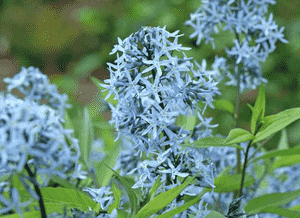
Known for its beautiful star-shaped blue flowers, Eastern bluestar is a perennial plant that can withstand harsh winter conditions. Recognized for its frost hardiness, this plant can tolerate temperatures as low as -37°C (-35°F). Native to the central and southeastern United States, it's crucial to understand the specific needs of Eastern bluestar to ensure it thrives throughout the colder months.
Preparing Eastern bluestar for Winter
When to Start Winter Preparations
Begin preparing your Eastern bluestar for winter after the first hard frost. Typically, this means late autumn when temperatures consistently drop below 0°C (32°F). Early preparations help the plant adapt slowly to the coming temperature changes.
Cutting Back the Foliage
One of the critical tasks is to cut back the foliage. After the first frost, trim the plant's stems down to approximately 15-20 cm (6-8 inches) to help it conserve energy during the winter. This also reduces the risk of pest infestations, as pests are often attracted to decaying plant matter.
Watering Needs Before Winter
Ensure your Eastern bluestar is well-watered in the weeks before winter. Water deeply but less frequently, allowing the soil to dry out between watering sessions. This strengthens the root system, helping the plant retain moisture throughout the winter. Avoid over-watering as it can lead to root rot.
Soil and Mulching for Eastern bluestar
Choosing the Right Mulch
Mulch acts as a protective layer for your Eastern bluestar. Organic mulches like straw, shredded leaves, or pine needles are excellent choices. These materials decompose over time, adding nutrients to the soil and improving its structure.
How Much Mulch to Apply
Apply a layer of mulch about 5-7.5 cm (2-3 inches) thick around the base of the plant. This insulation helps maintain soil temperature and moisture levels. Be sure to keep the mulch a few centimeters (about an inch) away from the stems to prevent rot.
Protective Measures Against Extreme Frost
Using Frost Cloths
In areas prone to severe frost, using frost cloths can offer additional protection. Drape frost cloths or horticultural fleece over your Eastern bluestar during particularly cold nights. These fabrics help retain heat and shield the plant from harsh winds.
Positioning Your Plants to Shield from Wind
Position your Eastern bluestar in a spot that is sheltered from strong winter winds. Planting next to a fence, wall, or hedgerow can provide a natural windbreak, reducing the stress on the plant.
Monitoring Eastern bluestar Throughout Winter
Checking for Frost Damage
Regularly inspect your Eastern bluestar for signs of frost damage such as discoloration or wilted leaves. Early detection allows for quick intervention, such as increasing mulch or applying frost cloths more frequently.
Addressing Winter-Dry
Winter-dry occurs when the soil around your Eastern bluestar becomes too dry due to low winter precipitation. Check soil moisture periodically and water lightly if necessary, especially during extended dry spells.
Spring Care Post-Winter
Removing Mulch and Protective Materials
As spring approaches and the risk of frost diminishes, gradually remove the mulch and any protective materials. This allows the soil to warm up and encourages new growth. Be cautious and remove the mulch layer by layer to avoid shocking the plant with sudden temperature changes.
Pruning and Stimulating New Growth
Once you notice new growth, it's time to prune any dead or damaged stems. This maintenance encourages vigorous regrowth and helps maintain the plant's shape and health. Apply a balanced fertilizer to give your Eastern bluestar a nutritional boost for the growing season.



