How to Overwinter Threadleaf bluestar
1
Threadleaf bluestar tolerates cold well, simplifying its winter maintenance.
2
Appropriate mulching helps safeguard roots by stabilizing ground temperature.
3
Spring removal of winter coverings should be phased to prevent plant stress.
What is Threadleaf bluestar?
What is Threadleaf bluestar?
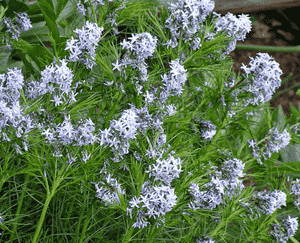
Threadleaf bluestar is a perennial plant recognized for its delicate, fine leaves and striking pale blue flowers that appear in late spring. This adaptable plant, native to the United States, flourishes in both gardens and landscape designs due to its visual appeal and resilience. It's a favored option among gardeners because it demands minimal upkeep and adapts well to various soil conditions.
Preparing Threadleaf bluestar for Winter
Pruning Tips
Begin winter preparation by cutting back the dead stems and foliage of Threadleaf bluestar. Pruning promotes new growth and lowers the risk of disease. Trim the plant to approximately 15 cm (6 inches) from the ground, focusing on removing dead or damaged sections. This also simplifies the application of winter protection measures.
Soil Preparation
Prepare the soil by ensuring proper drainage, as Threadleaf bluestar does not thrive in waterlogged conditions. A well-draining soil mixture is essential; you can amend the soil with organic matter or sand to enhance drainage. Adjust the pH level to slightly acidic or neutral, if needed, to create the optimal growing environment for your plant.
Mulching Techniques
Apply a layer of mulch around the plant's base to insulate its root system. Aim for a mulch depth of about 5-7.5 cm (2-3 inches) using organic materials such as straw, leaves, or bark. Mulching helps maintain consistent soil temperature, prevents frost heave, and retains moisture, reducing the plant's stress during winter.
Protecting Threadleaf bluestar During Frost
Using Frost Cloths
During periods of extreme cold, provide extra frost protection by covering your Threadleaf bluestar with frost cloths or garden blankets. Ensure the cover reaches the ground to effectively trap heat. Secure the edges with weights or stakes to keep it in place against winds. Remove the cloths during the day when temperatures are milder to allow for air circulation.
Proper Watering Practices
Reduce watering as temperatures drop to prevent waterlogging. However, ensure the plant receives sufficient moisture before the ground freezes. Water deeply, providing about 1-1.5 liters (1/4-1/2 gallon) per watering session, allowing the soil to thoroughly soak. Avoid watering during frost to prevent ice formation on the roots.
Spring Care After Overwintering Threadleaf bluestar
Removing Winter Protection
Once the danger of frost has passed, gradually remove any winter protection like frost cloths and mulch. Do this slowly over several days to avoid shocking the plant with sudden temperature changes. Start by taking off the coverings during the day and fully removing them as the weather warms up.
Fertilizing and Pruning
Fertilize your Threadleaf bluestar in early spring to give it a nutritional boost. Use a balanced, slow-release fertilizer and apply according to the package instructions. Resume regular pruning practices by trimming back any dead or weak growth to shape the plant and encourage vigorous new growth for the upcoming season.



