How to Overwinter Canadian serviceberry
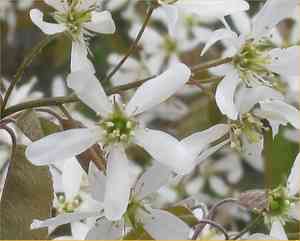
1
Amelanchier canadensis tolerates cold well, generally enduring winter lows of -30°C (-22°F).
2
Appropriate mulching safeguards roots and aids in preserving soil hydration throughout colder periods.
3
Consistent checks for frost harm and insects contribute to the plant's well-being during winter.
Understanding Canadian serviceberry's Frost Hardiness
Understanding Canadian serviceberry's Frost Hardiness
The Canadian serviceberry (Amelanchier canadensis) is a robust, deciduous shrub recognized for its lovely spring blooms, edible fruits, and striking autumn foliage. Indigenous to North America, this plant is well-suited to cold climates and flourishes in USDA hardiness zones 3 through 8. Despite its cold tolerance, the Canadian serviceberry still needs some care to ensure it survives winter successfully. Knowing its frost resistance aids in preparing and safeguarding the plant during colder months.
What are the Key Steps for Overwintering Canadian serviceberry?
Proper Mulching
Mulching is one of the most effective methods to safeguard your Canadian serviceberry during winter. Applying a 5-10 cm (2-4 inches) layer of organic mulch, such as shredded bark or leaves, around the plant's base helps insulate the roots and maintain soil moisture. Ensure the mulch is kept a few centimeters from the trunk to prevent rot.
Pruning Techniques
Pruning your Canadian serviceberry before winter can enhance its structure and vitality. Remove any dead or diseased branches to stop them from becoming entry points for pests or illness. Prune in early winter when the plant is dormant, but avoid severe cutting, as this can stress the plant.
Watering Management
Appropriate watering is crucial for successful overwintering. Ensure the soil is thoroughly hydrated before the ground freezes, as this helps the plant endure the dehydrating effects of cold winds. Water the soil deeply in late fall, with about 25-50 liters (6-13 gallons) for mature shrubs. Reduce watering as winter nears to prevent waterlogging.
Protecting the Roots
Safeguarding the roots of your Canadian serviceberry is essential. Besides mulching, consider using burlap or frost cloth to cover the plant's base during extremely cold periods. This extra layer of protection can help prevent roots from freezing, ensuring the plant's health in spring.
Common Issues During Winter and How to Address Them
Identifying Frost Damage
Frost damage can be identified by blackened or wilted leaves, and split or cracked bark. If you observe these signs, it's vital to prune the affected areas in early spring to prevent diseases from spreading. Regular inspection during winter can help detect issues early.
Managing Winter Pests
Winter pests like voles and rabbits can harm the bark and roots. To manage these pests, consider using physical barriers such as chicken wire around the plant's base. Additionally, applying a repellent spray can help deter animals from gnawing on the bark.
Preventing Root Rot
Root rot is a frequent problem in waterlogged conditions. Ensure good drainage by planting your Canadian serviceberry in well-drained soil. Avoid overwatering, especially as winter approaches, and consider slightly elevating the plant base to improve drainage.



