How to Overwinter Common serviceberry
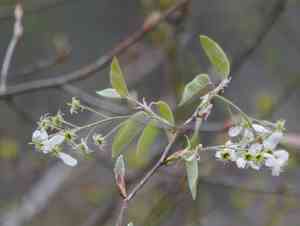
1
Amelanchier canadensis flourishes in USDA hardiness zones 4 through 9.
2
Applying mulch aids in moderating soil temperature and moisture levels over winter.
3
Trimming Common serviceberry appropriately in autumn promotes more robust development in the spring.
The Significance of Overwintering Common serviceberry
The Significance of Overwintering Common serviceberry
Overwintering your Common serviceberry is vital for its survival through cold periods and its flourishing in spring. This practice safeguards the plant from severe winter elements, including temperature shifts, frost, and drying winds. By offering appropriate care, you can lessen plant stress and decrease the likelihood of winter harm, leading to a more robust, lively Common serviceberry once the growing season recommences.
Methods for Overwintering Common serviceberry
Trimming and Tidying
Initiate your overwintering routine by removing any dead or compromised branches from your Common serviceberry. This action aids the plant in preserving energy and lowers the risk of illness. Ensure to clear away fallen foliage and other debris from around the plant's base to deter pests and diseases from overwintering.
Mulching for Protection
Apply a 5-10 cm (2-4 inch) layer of mulch around the base of your Common serviceberry to insulate its roots and retain moisture. Utilize organic materials such as straw, wood chips, or shredded leaves. Mulching acts as a covering, maintaining stable soil temperature and shielding roots from frost heave.
Appropriate Watering
Water your Common serviceberry thoroughly before the ground freezes to ensure root hydration. Proper watering is crucial to help the plant endure winter drying. Aim to water the soil approximately 2.5 cm (1 inch) deep, providing moisture even in colder months without overwatering.
Shielding from Strong Winds
Protect your Common serviceberry from harsh winter winds using burlap or wind barriers. Encase the plant or erect a windbreak to lessen wind desiccation and shield it from extreme cold. This protection can minimize stress and prevent damage to branches and buds.
Checking for Pests and Diseases
Periodically examine your Common serviceberry for indications of pests and diseases, even during winter. Watch for any unusual alterations in the bark or leaves and address issues promptly. Maintaining the plant's health during winter will ensure its vigorous recovery in spring.



