How to Overwinter Ramson
1
Ramson thrives in shaded, moist conditions and grows well in soil that drains properly.
2
This species is resilient to cold, tolerating temperatures as low as -20°C (-4°F).
3
Applying mulch to Ramson offers additional protection in very harsh winter conditions.
What Does It Mean to Overwinter Ramson?
What Does It Mean to Overwinter Ramson?
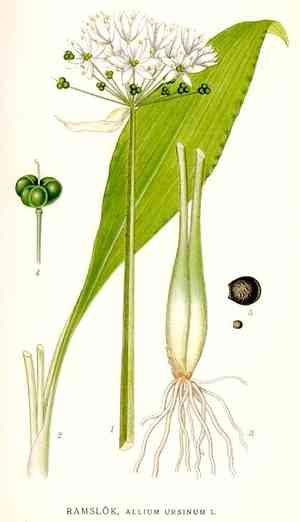
Overwintering involves preparing and sustaining plants through cold periods, ensuring their survival until the next growth cycle. For Ramson, a perennial herb known for its broad, green leaves and white flowers, this process is especially crucial. It means providing care that minimizes stress and damage from winter conditions. By following specific steps, you can create an environment where Ramson thrives even when temperatures drop.
Preparing Ramson for Overwintering
Optimum Soil Conditions for Winter
The initial step in readying Ramson for winter is ensuring optimal soil conditions. Ramson flourishes in well-drained, rich, and slightly acidic to neutral soil. During colder months, maintaining these conditions is vital to prevent root rot and other issues. If your soil tends to be heavy and waterlogged, consider amending it with organic matter like compost or leaf mold to enhance drainage.
Mulching Techniques
Mulching is a key method for safeguarding Ramson during winter. By applying a layer of mulch around the plant bases, you create an insulating barrier that helps regulate soil temperature and moisture. Organic mulches such as straw, bark chips, or compost are excellent choices. Apply a layer approximately 5-7.5 cm (2-3 inches) thick for adequate protection. This also aids in suppressing weeds that might compete with your plants for nutrients.
Watering Guidelines
Correctly watering Ramson is essential for its winter survival. While dormant, the plant requires less water than during its active growth phase. Overwatering can lead to root rot, especially in poorly drained soils. Aim to keep the soil slightly moist but not saturated. Check moisture levels regularly, and water sparingly if the soil becomes completely dry.
Ideal Environment for Keeping Ramson Healthy During Winter
Temperature Regulation
Maintaining the correct temperature is crucial for Ramson in winter. Although the plant is frost-hardy, extreme fluctuations can still cause stress. Mulching, as previously mentioned, helps stabilize soil temperature. For particularly harsh winters, you might consider using protective covers like horticultural fleece or cloches to shield plants from the coldest nights.
Humidity Levels
Ramson prefers a relatively humid environment. Indoors, you can maintain humidity by placing a humidifier near the plants or setting them on a tray with water and pebbles. Outdoor plants generally receive sufficient humidity from natural sources, but if you experience prolonged dry spells during winter, occasional misting can help maintain the necessary humidity levels.
Common Problems in Overwintering Ramson
Pest and Disease Control
Even in winter, Ramson can be vulnerable to pests and diseases. Common pests include slugs and snails, which can be particularly troublesome in damp conditions. To mitigate this, regularly inspect your plants and consider using organic slug pellets or barriers. Diseases like downy mildew can also affect Ramson. Ensure good air circulation around the plants and remove any infected foliage to control its spread.
Identifying Signs of Stress
Recognizing signs of stress in Ramson is vital for timely intervention. Wilting, discoloration, or stunted growth can indicate various issues, from water stress to pest infestations. If you notice any unusual symptoms, closely examine your plant's environment and care routine. Adjusting watering, soil conditions, or pest control measures can often resolve these problems before they become severe.



