How to Overwinter Chives
1
Chives are resilient and tolerate cold temperatures well with appropriate attention.
2
Allowing Chives to survive winter guarantees a robust, lively plant in the spring.
3
Applying mulch and using row covers are easy but efficient methods for safeguarding Chives during colder months.
What Are Chives?
What Are Chives?
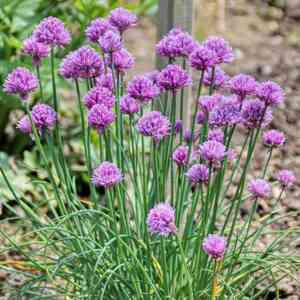
Renowned for their subtle, onion-like taste, Chives are a favored herb in both culinary and decorative gardens. This adaptable plant flourishes in USDA hardiness zones 3-9 and is frequently used to garnish dishes or impart a mild zest to various recipes. Whether cultivated indoors or outdoors, Chives are a valuable addition to any herb collection.
How to Prepare Chives for Overwintering
Assess the Health of Your Chives
Before the cold weather arrives, it's crucial to evaluate the condition of your Chives. Look for indications of disease or pest infestations and address these concerns promptly. Healthy plants are better equipped to endure winter and recover quickly in spring.
Prune and Clean Up the Plant
Trim the foliage to approximately 2.5 cm (1 inch) above the soil. This pruning helps eliminate any diseased or damaged parts, reducing the risk of infections spreading during dormancy. Also, clear any debris around the plant to deter pests from finding a winter refuge.
Add Mulch for Insulation
Mulching is a straightforward yet effective method to insulate your Chives. Apply a layer of mulch, about 5-7.5 cm (2-3 inches) thick, around the base of the plants. This helps regulate soil temperature and safeguards the roots from freezing. Straw or leaf mulch works well for this purpose.
Best Practices for Overwintering Chives Outdoors
Choose the Right Location
Select a spot that is protected from strong winds and receives some direct sunlight, even during winter. A south-facing area is ideal. Ensure the soil drains well to prevent waterlogging, which can harm the roots.
Use Row Covers for Extra Protection
Row covers can offer an additional layer of defense against extreme cold. These fabric coverings allow sunlight and moisture to reach the plants while shielding them from frost. Simply drape the cover over your Chives and secure the edges to the ground with rocks or stakes.
Watering Regimen During Winter
While Chives require less water during the winter, they should not be allowed to completely dry out. Water sparingly, ensuring the soil remains slightly moist but not saturated. Overwatering can lead to root rot, so striking a balance is essential.
How to Overwinter Chives Indoors
Choosing the Right Container
If you plan to bring your Chives indoors for the winter, select a container that offers good drainage and is sufficiently large to accommodate the plant's root system. A pot with a diameter of at least 15-20 cm (6-8 inches) is ideal.
Indoor Temperature and Light Requirements
Chives need a cool environment and ample light to flourish indoors. Position the container in a sunny window where the plant can receive at least 6 hours of direct sunlight daily. Maintain indoor temperatures between 15-18°C (59-64°F).
Proper Watering and Humidity Control
Water indoor Chives when the top 2.5 cm (1 inch) of soil feels dry to the touch. Be careful not to overwater. Additionally, since indoor environments can be dry, use a humidity tray or a small humidifier to maintain adequate humidity levels around your Chives.
Common Issues with Overwintering Chives
Pests and Diseases to Watch Out For
Even in winter, your Chives are vulnerable to pests and diseases. Keep an eye out for aphids, spider mites, and fungal infections. Regularly inspect your plants and take immediate action if any problems arise.
Signs of Overwintering Stress
Monitor your Chives for indications of stress, such as yellowing leaves, stunted growth, or wilting. These symptoms can point to issues with watering, light, or temperature conditions.
Remedial Actions for Common Problems
If you encounter problems like pest infestations or nutrient deficiencies, address them promptly. Use organic insecticides for pests and provide balanced fertilizers to support plant health. Adjust environmental conditions as needed to ensure your Chives remain healthy throughout the winter.



