How to Overwinter Nodding onion
1
Nodding onion tolerates cold well, enduring temperatures down to -20°F (-29°C).
2
Applying mulch in late autumn helps shield Nodding onion roots from severe cold.
3
Frequent checks in spring guarantee your Nodding onion recovers post-winter.
What Is Nodding onion?
What Is Nodding onion?
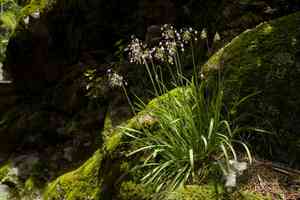
The Nodding onion, with its delicate pink blooms and charmingly drooping flower heads, is a perennial wildflower native to North America. Ideal for both garden beds and natural landscapes, this hardy plant is known for its distinctive nodding flower heads that appear in summer. It thrives in a range of soils and conditions, making it a versatile addition to any garden. Besides its ornamental use, the Nodding onion is also edible, adding flavor to a variety of dishes.
Preparing Nodding onion for Winter
Pruning and Cleaning
As winter approaches, it's essential to clean up your garden beds. Start by trimming away any dead or diseased foliage from your Nodding onion. Remove spent flower heads and any brown leaves. This pruning not only prevents disease but also promotes healthier growth in the spring. Make sure to dispose of any plant debris far from your garden to avoid creating a haven for pests and pathogens.
Adjusting Watering Practices
With winter on the horizon, adjust your watering practices. During the late fall, reduce the frequency of watering to allow the soil to dry out slightly. Overly wet soil can increase the risk of root rot during the dormancy period. Aim for a balance where the soil remains moist but not waterlogged. This adjustment helps the Nodding onion enter dormancy in optimal conditions.
Mulching the Base
Mulching is an essential step in winter care for Nodding onion. Apply a thick layer of mulchâabout 5-7 centimeters (2-3 inches)âaround the base of the plants. This layer acts as an insulating blanket, protecting the roots from temperature fluctuations. Organic mulch like straw, leaves, or compost works best, as they also enrich the soil as they break down. Apply the mulch in late fall, just before the first hard frost.
Protecting Nodding onion During Winter
Using Row Covers
For added protection during particularly harsh winters, consider using row covers. These covers act as a shield against heavy frost, wind, and snow. Choose lightweight fabric row covers that allow moisture and light to penetrate while providing thermal insulation. Secure them well around the plants to prevent them from blowing away in strong winds.
Cloche and Cold Frames
Another effective method is the use of cloches or cold frames. These structures create a microclimate around your Nodding onion, maintaining a slightly warmer environment. Cloches are individual plant protectors, while cold frames are larger, box-like structures that can cover a whole section of plants. Both keep frost off delicate plants and extend the growing season slightly.
Post-Winter Care for Nodding onion
Spring Inspections
As the winter snow melts and temperatures start to rise, it's time to inspect your Nodding onion plants. Check for any signs of damage or disease. Remove any mulch that may have compacted over the winter to allow air and sunlight to the base of the plants. Look for new growth emerging, which is a good sign that your overwintering efforts have paid off.
Fertilizing and Soil Amendment
To give your Nodding onion a robust start to the growing season, consider a spring fertilization. Use a balanced, slow-release fertilizer to provide essential nutrients. Additionally, amend the soil with compost or well-rotted manure to improve soil structure and nutrient availability. This will support vigorous growth and abundant flowering throughout the season.
Resuming Regular Watering and Mulching
Once the risk of frost has passed and new growth is evident, resume regular watering practices. Ensure the soil stays consistently moist but well-drained. Reapply a fresh layer of mulch to conserve moisture and suppress weeds. This not only promotes healthy growth but also reduces maintenance throughout the growing season.



