How to Overwinter Chocolate vine
1
Akebia quinata is resilient and can withstand low temperatures reaching -12°C (10°F).
2
Provide adequate drainage to avoid root decay over the colder period.
3
Applying mulch can safeguard roots and retain soil hydration during winter.
Grasping Chocolate vine's Winter Care Requirements
Grasping Chocolate vine's Winter Care Requirements
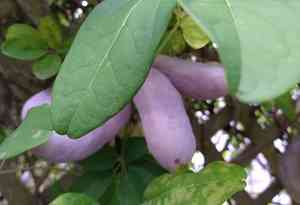
The Chocolate vine is a robust perennial suitable for both indoor and outdoor cultivation. Recognized for its distinctive purple blossoms and intriguing, sausage-shaped fruits, it demands specific winter attention to flourish. Ensuring your Chocolate vine endures the cold season involves comprehending its winter necessities and furnishing appropriate care tailored to its traits.
What are the Optimal Conditions for Chocolate vine in Winter?
Temperature Resilience
Chocolate vine is tough and can endure temperatures as low as -12°C (10°F). While resilient, offering some defense during extreme cold snaps can avert stress and harm. It's vital to monitor weather forecasts and be prepared to act if temperatures fall significantly below its tolerance level.
Soil Needs
During winter, ensuring the soil stays well-drained is critical for your Chocolate vine's health. Waterlogged soil can lead to root decay, especially in colder months. Choose a well-draining soil blend and consider incorporating organic matter to improve soil structure and drainage capacity.
Winter Watering Demands
Watering requirements for Chocolate vine decrease considerably during winter. Overwatering can be harmful, so allow the soil to dry out slightly between waterings. A good guideline is to water thoroughly but infrequently, typically once every 2-3 weeks depending on indoor humidity and heating conditions.
Safeguarding Chocolate vine During Frost
Mulching Strategies
Mulching is a straightforward yet effective method to protect your Chocolate vine during frost. Apply a 5-10 cm (2-4 inch) layer of organic mulch, such as straw, leaves, or wood chips, around the plant's base. This helps insulate the roots, retain moisture, and regulate soil temperature, thereby lessening the risk of frost damage.
Covering Plants
For extra protection, particularly during unexpected frost events, consider covering your Chocolate vine with a frost cloth or burlap. This can provide an additional layer of insulation and shield the plant from harsh winds and freezing conditions. Ensure the cover extends to the ground and is secured to prevent it from being blown away.
Typical Winter Problems and Solutions for Chocolate vine
Addressing Frost Damage
If your Chocolate vine does suffer frost damage, do not be alarmed. Remove any affected leaves and stems once the weather warms, as this can help prevent further damage. Trim back to healthy tissue and keep the plant sheltered until it recovers.
Preventing Root Decay
Root rot can be a serious issue in winter due to poor drainage and excessive moisture. To prevent this, ensure your soil remains loose and well-drained. Avoid watering if the top 5 cm (2 inches) of soil is still moist. Adding sand or perlite to the soil mix can improve drainage.
Pest Management in Winter
Pests like aphids and spider mites can still pose a problem even in winter. Regularly inspect your Chocolate vine for signs of infestation. If pests are detected, treat the plant with a mild insecticidal soap, ensuring it is applied during milder weather to avoid harming the plant.



