How to Overwinter Common bugle
1
Common bugle tolerates cold temperatures well, making it a robust option for regions with chilly weather.
2
Maintain a mulch layer of 5-7.5 cm (2-3 inches) to safeguard Common bugle roots over winter.
3
Bringing Common bugle indoors for winter necessitates a cool, yet unfrozen, setting.
Understanding Common bugle Frost Tolerance
Understanding Common bugle Frost Tolerance
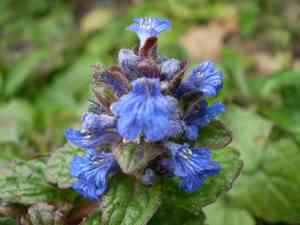
The Common bugle (Ajuga reptans) is prized for its striking blue blooms and its capacity to form a dense ground cover. A key benefit of this plant is its cold hardiness, making it a suitable option for gardens in colder climates. Resilient in USDA Zones 3 through 9, the Common bugle can endure temperatures as low as -34°C (-30°F). This robustness allows the plant to survive winter with minimal intervention, provided a few simple steps are followed. Grasping its frost tolerance is crucial for ensuring the plant thrives throughout the year.
What Are the Optimal Conditions for Common bugle Winter Survival?
Temperature and Humidity Requirements
For ideal winter survival, Common bugle prefers consistent temperatures. While it is frost-tolerant, maintaining a temperature range of -12 to 10°C (10 to 50°F) will ensure the plant remains healthy. Humidity levels should be moderate to low, as high humidity can promote mold development.
Soil and Drainage Needs
Appropriate soil and drainage are vital for Common bugle's winter survival. The plant flourishes in well-draining soil with a slightly acidic to neutral pH (6.0 to 7.0). Waterlogged soil can lead to root decay, so ensure the soil stays moist but not saturated. Incorporating organic matter like compost can enhance soil texture and drainage.
How to Prepare Common bugle for Winter?
Pruning and Cleaning
Preparing Common bugle for winter involves proper trimming and tidying. Cut back any dead or dying foliage to prevent disease spread. Remove fallen leaves and debris that can harbor pests or fungi. This not only boosts plant health but also provides a tidy appearance.
Mulching and Ground Cover
Applying mulch is an effective method to safeguard Common bugle during winter. A 5-7.5 cm (2-3 inches) layer of organic mulch, such as straw or wood chips, insulates the soil and moderates temperature fluctuations. This layer also helps retain soil moisture, minimizing the risk of root dehydration.
Common Issues When Overwintering Common bugle
Detecting Frost Damage
Despite being frost-hardy, Common bugle can still experience frost damage. Look for wilted or blackened leaves as indicators. If frost damage occurs, trim affected areas to prevent further stress on the plant.
Preventing Root Rot
Root rot is a frequent problem in winter due to poor drainage and excessive moisture. Ensure your Common bugle is planted in well-draining soil and avoid overwatering. If potted, use a container with drainage holes and a well-draining potting mix.
Pests and Diseases
Winter can present challenges such as pests and diseases despite the cold. Common pests like aphids or spider mites may still pose a threat indoors or on milder winter days. Regularly inspect your plant and use organic insecticidal soap if necessary. Additionally, monitor for mold or fungal growth, particularly in humid conditions.



