How to Overwinter Chinese evergreen
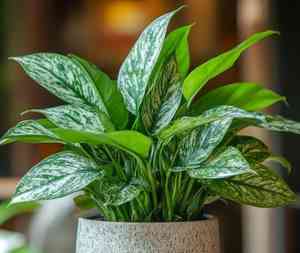
1
Aglaonema is a delicate, tropical species needing particular attention in colder seasons.
2
An optimal temperature range of 18-24°C (65-75°F) is best for Aglaonema during its dormant period.
3
Frequent checks for pests and diseases on your Aglaonema can avert significant issues over winter.
Why Overwinter Chinese evergreen?
Why Overwinter Chinese evergreen?
Overwintering Chinese evergreen is vital due to its delicate nature, as it's a tropical species intolerant of cold. Ensuring its survival through winter promotes vigorous growth when warmer weather returns. Without proper care in colder months, Chinese evergreen may suffer stunted growth, leaf drop, or even death. Overwintering helps maintain its health and beauty year-round.
Preparing Chinese evergreen for Overwintering
Inspecting for Pests and Diseases
Before relocating your Chinese evergreen for winter, thoroughly check for pests and diseases. Examine leaf undersides, stems, and soil surface for any signs of insects, fungi, or mildew. Early detection and treatment prevent these issues from spreading and causing harm during its less active period. If pests are found, treat with appropriate insecticidal soap or neem oil.
Pruning and Cleaning
Pruning your Chinese evergreen is crucial for encouraging healthy development and removing any dead or damaged foliage, which can attract pests. Clean the leaves with a damp cloth to remove accumulated dust and debris. This process not only enhances the plant's well-being but also aids more efficient photosynthesis during winter's lower light conditions.
Repotting if Necessary
Assess if your Chinese evergreen requires repotting before its winter dormancy. If roots are constricted or soil drainage is poor, consider repotting into a slightly larger container with fresh, well-draining soil. This ensures the plant has ample space and nutrients to remain healthy throughout the colder months.
Ideal Conditions for Overwintering Chinese evergreen
Optimal Temperature and Humidity Levels
Chinese evergreen thrives in temperatures between 18-24°C (65-75°F). Humidity is also important, as this plant prefers higher moisture levels. Use a humidifier or place a water tray near the plant to increase ambient moisture. Avoid positioning the plant near heating vents or drafts, which can cause temperature fluctuations and dry out the air.
Lighting Requirements
Chinese evergreen prefers low to medium light, making it perfect for indoor winter conditions. Place the plant where it receives indirect sunlight, avoiding direct sun that can scorch its leaves. If natural light is insufficient, consider using a grow light to supplement its needs.
Watering and Fertilizing Routine
During winter, Chinese evergreen's watering needs decrease. Allow the top 2-3 cm (1 inch) of soil to dry before rewatering. Overwatering can lead to root rot, so ensure proper drainage. Reduce fertilizing to once every 6-8 weeks using a balanced, water-soluble fertilizer at half strength. This supports the plant's reduced growth phase without over-nutrition.



