How to Overwinter Indian mint
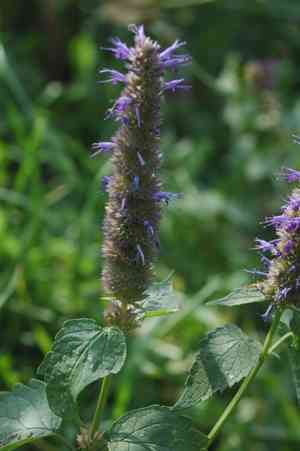
1
Indian mint tolerates cold temperatures well, allowing it to thrive in diverse environments.
2
Cutting back and shaping Indian mint prior to winter aids in disease prevention and encourages robust development.
3
Adhering to a regular watering routine indoors is essential to avoid root decay.
The Importance of Overwintering Indian mint
The Importance of Overwintering Indian mint
Overwintering Indian mint is crucial for its survival through colder periods and its vigorous return in spring. By implementing necessary measures to shield your plant from frost and freezing temperatures, you can enjoy its fragrant foliage and decorative appeal throughout the year. This practice helps maintain the plantâs health, minimizes damage, and sustains its vitality.
Winter Preparation for Indian mint
Trimming and Pruning Indian mint
Trimming and pruning are vital steps in getting Indian mint ready for winter. Begin by removing any dead or damaged leaves and stems. Cut the plant back to approximately one-third of its original size. This reduces the likelihood of diseases and pests while encouraging new growth in the spring.
Cleaning the Garden Area
A well-kept garden bed is essential for a thriving plant. Clear away any debris, fallen leaves, and weeds from around the Indian mint to lower the risk of pests and diseases. This also enhances air circulation around the plant, which is critical for its winter survival.
Applying Mulch
Applying a layer of mulch around the base of the Indian mint effectively insulates its roots and protects them from freezing temperatures. Use organic mulch like straw, wood chips, or compost. Aim for a layer about 5â7 cm (2â3 inches) thick. This will help retain moisture and stabilize soil temperature.
Indoor Winter Care for Indian mint
Selecting the Right Pot
If you choose to bring your Indian mint indoors for winter, select a pot large enough to accommodate the plantâs root system. Ensure the pot has drainage holes to prevent waterlogging, which can cause root rot. A pot with a diameter of 25â30 cm (10â12 inches) is usually adequate.
Ensuring Sufficient Light
Indian mint needs ample light to flourish indoors during winter. Position the pot where it can receive at least 4â6 hours of indirect sunlight daily. If natural light is insufficient, consider using supplemental grow lights.
Maintaining Optimal Temperature
Keep your indoor Indian mint in a room with temperatures between 18â24°C (65â75°F). Avoid placing it near drafts, radiators, or other sources of temperature fluctuations. Consistent temperature helps prevent stress and supports healthy growth.
Watering Schedule
Excessive watering is a common issue when caring for indoor plants in winter. Water the Indian mint only when the top 2â3 cm (1 inch) of soil feels dry to the touch. Ensure the pot has proper drainage, and always empty the saucer to prevent standing water.
Common Overwintering Issues and Solutions
Managing Pests
Regularly inspect your Indian mint for common pests such as aphids, spider mites, and whiteflies. Use insecticidal soap or neem oil to treat infestations. Clean the leaves with a damp cloth to remove any pests and prevent their spread.
Preventing Mold and Mildew
Good air circulation is vital to prevent mold and mildew. Avoid overcrowding your plants and ensure there's enough space for air to flow. Using a fan can help increase air circulation and reduce humidity levels around the plant.
Avoiding Overwatering
To prevent overwatering, always check the soil moisture level before watering your plant. Use a well-draining potting mix, and ensure the pot has drainage holes. Overwatering can lead to root rot, which is detrimental to Indian mint.



