How to Overwinter Red buckeye
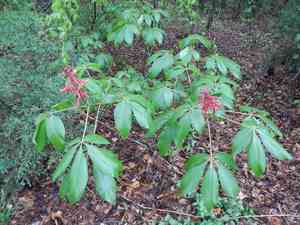
1
The Red buckeye is a resilient plant, yet it greatly benefits from appropriate winter maintenance.
2
The optimal period to begin readying your Red buckeye for the cold season is late autumn.
3
Consistent observation throughout winter helps avert problems such as leaf discoloration, root decay, or fungal diseases.
What Does Overwintering Mean for Red buckeye?
What Does Overwintering Mean for Red buckeye?
Overwintering refers to the practice of preparing and safeguarding your Red buckeye during the severe winter period to guarantee its survival and vitality by spring. Although Red buckeye is quite tolerant to frost, it still needs specific attention to flourish in cold weather. By taking appropriate measures, you can protect your plant from the potentially harmful effects of snow, ice, and freezing temperatures.
Why Overwinter Red buckeye?
Protection from Extreme Weather
Winter can be particularly harsh with extreme temperatures and weather conditions. Overwintering your Red buckeye helps safeguard it from frost damage, ice burns, and excessive snow that can break branches or uproot young plants. This protection is especially vital if you live in an area with unpredictable winter weather.
Maintaining Plant Health
Beyond shielding from cold, overwintering aids in preserving the overall health of your Red buckeye. Reduced stress from weather conditions ensures the plant can focus on restoring and growing rather than merely surviving. This boosts its health, leading to more robust growth in the spring.
How to Prepare Red buckeye for Overwintering
Pruning
Start by pruning your Red buckeye. Remove any dead or damaged branches, which can invite pests or diseases during the winter. Cutting back weak or overgrown branches will help the plant conserve energy and maintain a manageable size.
Mulching
Applying a thick layer of mulch around the base of the plant helps insulate the roots from freezing temperatures. Use organic mulch like straw, wood chips, or shredded leaves. Aim for a layer that is about 5-10 cm (2-4 inches) thick. This not only protects the roots but also retains soil moisture.
Watering
Before the ground freezes, ensure your Red buckeye is well-watered. This is crucial because dry soil can freeze more quickly, affecting root health. Water the plant thoroughly, but avoid waterlogging, as this can lead to root rot.
Maintaining Red buckeye Throughout Winter
Temperature Control
Ensure that the plant is in a location where the temperature does not drop too dramatically. If indoors, keep it in a cool room where temperatures remain between 5-10°C (41-50°F). If outdoors, make sure your protective coverings are secure to shield from harsh weather.
Checking for Pests and Diseases
Winter can also be a time when pests and diseases may go unnoticed. Regularly check your Red buckeye for signs of infestations or diseases. Address any issues immediately with appropriate treatments to prevent further damage.
Regular Monitoring
Consistently monitor your plant's condition throughout the winter. Look out for signs of stress like yellowing leaves, dry branches, or mold. Quick intervention can make a significant difference in maintaining the health of your Red buckeye.
Common Overwintering Issues with Red buckeye
Yellowing Leaves
If you notice yellowing leaves, this could be a sign of overwatering or poor drainage. Adjust your watering habits and ensure the mulch isn't keeping the soil too damp.
Root Rot
Root rot can occur if the plant sits in waterlogged soil for too long. Ensure good drainage and be cautious with the amount of water you provide during the winter months.
Fungal Infections
Fungal infections are another concern during the cold months. Ensure your Red buckeye has ample air circulation and is not too densely packed with mulch or coverings.



