How to Overwinter California buckeye
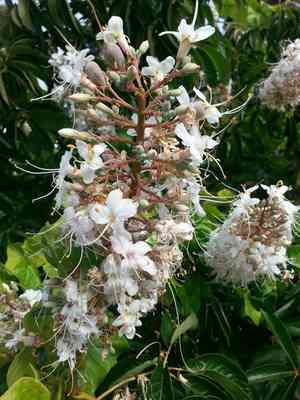
1
The California buckeye tolerates cold but still needs appropriate winter attention.
2
Applying mulch is essential to shield roots from freezing temperatures.
3
Slowly exposing the California buckeye to warmer spring weather avoids sudden stress.
Understanding California buckeye's Frost Hardiness
Understanding California buckeye's Frost Hardiness
The California buckeye is renowned for its durability, even in cold conditions. This native North American tree is naturally adapted to California's diverse climate, making it tolerant to frost. While it can withstand cold, specific measures can ensure its vitality and health throughout the colder months.
Preparing California buckeye for Winter
When to Start Preparations
Initiate winter preparations in early autumn, around September or October. This timing allows your California buckeye to gradually adjust to cooler temperatures. Starting early ensures the tree is well-prepared for the cold without being abruptly shocked by the initial frost.
Soil and Mulching Tips
Improving soil quality and applying an adequate layer of mulch are crucial for your California buckeye's winter readiness. Utilize organic mulches such as straw, leaves, or wood chips, applying a layer approximately 5-10 cm (2-4 inches) thick around the tree's base. This helps retain soil moisture and insulates the roots from extreme cold.
Pruning Guidelines Before Winter
Pruning your California buckeye before winter helps prevent damage from snow and ice accumulation. Focus on removing dead, damaged, or diseased branches. It's also beneficial to thin out any overly dense areas of the tree to reduce wind resistance, which can cause breakages.
What Measures Protect California buckeye from Frost?
Using Frost Blankets and Covers
Frost blankets or covers can provide an additional layer of protection for your California buckeye. Use lightweight, breathable materials designed for horticultural use, and cover the tree on nights when frost is anticipated. Ensure the cover reaches the ground to effectively trap warmth.
Ideal Location for Planting
Proper planting location significantly influences the frost resistance of your California buckeye. Ideally, plant it in a spot shielded from harsh winds and with ample sun exposure. This positioning helps reduce frost damage and supports overall health.
Watering Requirements During Frosty Periods
During winter, water your California buckeye sparingly. Once the ground begins to freeze, reduce watering as the tree will be in a dormant state and requires less moisture. Excessive watering during frosty times can lead to root rot and other water-related issues.
Common Issues During Overwintering
Signs of Frost Damage and Remedies
Frost damage in California buckeye can appear as brown or blackened leaves and stems, or cracks in the bark. To remedy this, prune damaged areas in early spring to encourage healthy new growth. Avoid heavy pruning during winter as it can further stress the tree.
Pest and Disease Management
Winter can sometimes worsen pest and disease problems. Regularly inspect your California buckeye for signs of common pests like aphids, scale insects, and fungal infections. Using horticultural oils and fungicides can help manage these issues, but it's essential to follow product instructions for safe and effective use.
How to Transition California buckeye Out of Winter?
Gradual Exposure to Warmer Temperatures
As winter concludes, begin transitioning your California buckeye back to warmer temperatures. Gradually remove frost blankets and reduce the mulch layer. This slow adjustment helps the plant acclimate without experiencing shock.
Spring Care Tips
Once the risk of frost has passed, implement spring care routines for your California buckeye. This includes feeding it with a balanced fertilizer, increasing watering frequency as new growth appears, and monitoring for any emerging pest or disease issues to address them promptly.



