How to Overwinter Haworth's aeonium
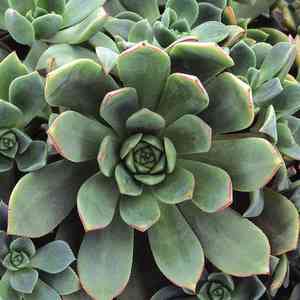
1
Haworth's aeonium is a tender succulent and needs to be protected from frost.
2
Avoid overwatering your Haworth's aeonium during winter to prevent root rot.
3
Place indoor plants in a bright spot, ideally with indirect sunlight, to keep them healthy through winter.
Why Overwintering Haworth's aeonium Is Crucial?
Why Overwintering Haworth's aeonium Is Crucial?
Winter can be a challenging period for many plants, especially for tender succulents like Haworth's aeonium, which is native to warmer climates. Overwintering involves protecting your plant from the cold and maintaining conditions that mimic its natural habitat. By following proper overwintering steps, you can ensure your Haworth's aeonium remains healthy and vibrant until the warmer months return. Without these precautions, the plant may suffer from frost damage, pest infestations, and even death.
Preparing Haworth's aeonium for Winter
Inspecting for Pests and Diseases
Before bringing your Haworth's aeonium indoors or preparing it for outdoor protection, inspect it closely for pests and diseases. Look under leaves and at the base of the plant for any signs of insects or fungal growth. Treat any issues promptly to prevent them from spreading indoors and affecting other plants.
Pruning and Cleaning
Pruning and cleaning your Haworth's aeonium is another essential step. Remove any dead or damaged leaves to reduce the chances of disease. Use sterilized pruning shears to make clean cuts, and be careful not to damage the healthy parts of the plant. Cleaning the plant by gently wiping its leaves can also help eliminate dust and potential pests.
Indoor Care for Haworth's aeonium During Winter
Choosing the Right Location
Selecting an optimal spot for overwintering your Haworth's aeonium indoors is crucial. Choose a location that is free from drafts and away from heating vents. A windowsill in a bright room, where the plant can receive plenty of indirect sunlight, is ideal.
Light and Temperature Requirements
Haworth's aeonium requires bright, indirect light during winter. If natural light is limited, consider using a grow light to supplement. Maintain a stable room temperature between 15°C to 24°C (59°F to 75°F). Avoid placing the plant near windows that could get too cold or too hot, depending on outdoor conditions.
Watering and Humidity Control
Watering needs decrease during winter as the plant's growth slows. Water your Haworth's aeonium sparingly, allowing the soil to dry out completely between waterings. Overwatering can lead to root rot, a common issue in winter. Maintain a humidity level of 40-50% by using a room humidifier if needed, as dry indoor air can stress the plant.
Outdoor Care Tips for Mild Winter Regions
Providing Frost Protection
In regions with mild winters, Haworth's aeonium can stay outdoors with some precautions. Use frost cloths or horticultural fleece to cover the plant during cold nights. Ensure the covering materials allow air circulation to prevent moisture buildup, which can lead to rot.
Mulching for Insulation
Mulching can provide valuable insulation to outdoor Haworth's aeonium plants. Use a layer of organic mulch, such as straw or shredded bark, around the base of the plant to help regulate soil temperature and retain moisture. This will protect the roots from sudden cold snaps.
Common Issues During Overwintering Haworth's aeonium
Dealing with Leaf Drop
Leaf drop is a common issue when overwintering Haworth's aeonium. This can occur due to sudden changes in environment, light, or temperature. To minimize leaf drop, ensure a stable environment with consistent light and temperature. If leaf drop persists, assess the plant for stress factors, such as pests or overwatering.
Preventing Root Rot
Root rot is a significant risk during winter due to overwatering and poor drainage. Use well-draining soil and containers with drainage holes for indoor plants. Water sparingly and make sure the soil dries out between watering sessions. Avoid letting the plant sit in water, and if you suspect root rot, address it quickly to save your plant.



