How to Overwinter Tree aeonium
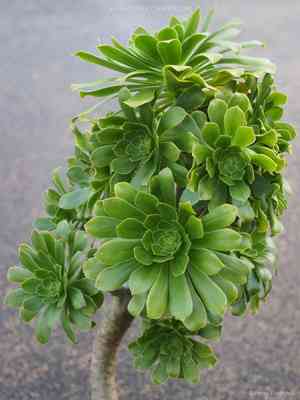
1
Tree aeonium flourishes optimally in temperatures ranging from 10°C to 21°C (50°F to 70°F).
2
Confirm that Tree aeonium gets a minimum of 6 hours of filtered sunlight each day throughout the winter season.
3
Periodically check Tree aeonium for typical pests like aphids and mealybugs, particularly prior to moving the plant inside.
Why Overwintering Tree aeonium Is Important?
Why Overwintering Tree aeonium Is Important?
As a plant sensitive to cold, Tree aeonium cannot endure freezing temperatures, typically below 7°C (45°F). Bringing your Tree aeonium indoors for winter ensures its health and vitality, preventing frost damage that can be fatal to this succulent. By providing suitable conditions during colder periods, you can enjoy its lush, rosette-shaped leaves all year.
Preparing Tree aeonium for Overwintering
Inspecting for Pests and Diseases
Before relocating your Tree aeonium indoors for winter, it's essential to thoroughly check the plant for any indications of pests like aphids, mealybugs, or spider mites. Examine the undersides of leaves and along stems. If pests are found, treat the plant with an appropriate insecticidal soap or neem oil. Addressing these issues beforehand prevents their spread to other indoor plants.
Pruning and Cleaning the Plant
Pruning your Tree aeonium not only helps maintain its form but also encourages robust growth. Remove any dead or yellowing leaves, cutting them back to the base. Clean the leaves with a damp cloth to remove dust and debris. This process ensures your plant can photosynthesize efficiently indoors and reduces the likelihood of pest infestations.
Transferring to Appropriate Containers
If your Tree aeonium is planted outdoors or in a large pot, consider moving it to a slightly smaller container for easier indoor care. Select a well-draining pot with a drainage hole to prevent waterlogging. Use a succulent or cactus potting mix to ensure proper drainage. Transferring the plant allows you to better manage its environment and reduces the risk of root rot.
Optimal Indoor Conditions for Tree aeonium
Temperature Requirements
Tree aeonium prefers cooler indoor temperatures during winter, ideally between 10°C to 21°C (50°F to 70°F). Ensure the plant is kept away from drafty windows and doors where temperatures might fluctuate. An ideal spot would be a cool, bright room where stable temperatures can be maintained.
Light Conditions
While Tree aeonium can tolerate lower light levels, it thrives best with bright, indirect sunlight. Aim to position your plant near a south or west-facing window where it can receive at least 6 hours of daily sunlight. If natural light is insufficient, consider using a grow light for supplementation. This helps prevent etiolation and ensures the leaves retain their vibrant color.
Humidity Levels
Unlike many houseplants, Tree aeonium does not require high humidity and can flourish in average indoor humidity levels. However, it is important to avoid excessively dry air, especially from heating vents. Place a shallow tray filled with water and small pebbles near the plant to maintain a stable humidity level without making the environment too moist.
Watering and Feeding Tree aeonium During Winter
Watering Schedule
During winter, Tree aeonium enters a dormant state and does not need frequent watering. Water the plant sparingly, allowing the soil to completely dry out between waterings. Overwatering can lead to root rot, so it's better to under-water during the colder months.
Fertilizing Tips
Reduce feeding during winter as the growth rate of Tree aeonium slows. If you choose to fertilize, do so sparingly with a balanced, water-soluble fertilizer diluted to half the recommended strength. Apply once every 6-8 weeks. Over-fertilizing can cause nutrient burn and damage the roots.
Common Problems and How to Address Them
Dealing with Leaf Drop
Leaf drop is common in Tree aeonium during winter due to environmental changes, such as light and temperature. Ensure the plant is not overwatered and receives adequate light. If leaf drop persists, check for pests or diseases and adjust care conditions accordingly to stabilize the plant.
Handling Mold and Mildew
Mold and mildew can develop if the indoor environment is too humid or if water remains on the leaves. Improve air circulation around the plant by placing a small fan nearby or spacing plants farther apart. Also, avoid overhead watering, which can create damp conditions on the foliage.



