How to Overwinter Desert rose
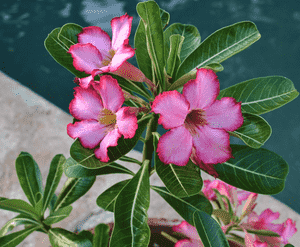
1
The Desert rose is a tropical species vulnerable to frost, requiring winter protection.
2
Winter care entails particular attention to guarantee the plant's survival through colder periods and vigorous growth later.
3
Slowly adjusting your Desert rose to indoor and outdoor conditions is crucial to avoid stress.
Why Overwintering is Essential for Desert rose
Why Overwintering is Essential for Desert rose
Protecting your Desert rose during winter is vital because this tropical plant, originating from Africa and the Arabian Peninsula, cannot withstand freezing temperatures. Its frost-tender nature means any cold exposure can cause severe harm or even kill it. By taking measures to overwinter your Desert rose, you ensure its health and readiness to flourish when warmer weather returns. This process involves moving the plant indoors and providing specific care conditions tailored for its winter needs.
Preparation Steps for Overwintering Desert rose
Inspect for Pests and Diseases
Before bringing your Desert rose inside, thoroughly check it for any indications of pests or diseases. Look for insects such as aphids, spider mites, and mealybugs. If detected, treat the plant with a suitable pesticide or a homemade soap solution. Eliminating pests before indoor placement helps prevent infestations from spreading to other houseplants.
Prune Your Plant
Trimming your Desert rose helps manage its size and promotes vigorous growth. Remove any dead, damaged, or overly dense branches using clean, sharp pruning shears. This not only enhances the plant's appearance but also reduces disease risk and improves air circulation indoors.
Repot if Necessary
Assess if your Desert rose requires repotting. If roots are crowded or circling the pot's base, consider transplanting it into a slightly larger container with fresh, well-draining soil. This step ensures the plant has ample space and nutrients to stay healthy through winter.
Gradually Acclimate Indoors
Slowly transitioning your Desert rose indoors is crucial to prevent shock. Begin by moving the plant to a shaded outdoor area for a few days. Then bring it inside to a brighter spot and progressively decrease light exposure to its final winter location. This acclimatization process should span approximately one to two weeks.
Indoor Care During Winter
Ideal Temperature Range
Maintain your Desert rose in a room where the temperature remains between 15°C and 24°C (60°F to 75°F). Avoid positioning the plant near drafts, heating vents, or cold windows to ensure a stable environment.
Light Requirements
Ensure your Desert rose receives ample bright, indirect light throughout winter. A south-facing window is perfect, but a grow light can be used if natural light is insufficient. The goal is to replicate its natural sunny habitat as closely as possible.
Watering Schedule
Water your Desert rose sparingly during the winter months. Allow the soil to completely dry out between waterings, as excessive moisture can lead to root rot. Typically, watering every three to four weeks is adequate.
Humidity Levels
Although Desert rose tolerates low humidity, aim to maintain moderate humidity levels of about 40-50%. Use a humidifier or place a water-filled tray near the plant to create a micro-environment if your home's air is particularly dry.
How to Transition Desert rose Back Outdoors
Timing the Transition
Begin moving your Desert rose back outdoors once temperatures consistently stay above 15°C (60°F). This typically occurs in late spring. Monitoring the weather forecast helps prevent any late spring frosts that could harm the plant.
Gradual Acclimatization
Just as you acclimated your plant indoors, allow it to adjust to outdoor conditions gradually. Start by placing the plant in a shaded area and progressively move it to a sunnier spot over a period of one to two weeks. This helps the plant adapt smoothly to changes in light and temperature.
Increasing Water and Fertilizer
As the growing season commences, gradually increase watering frequency based on outdoor conditions. Introduce a balanced fertilizer to support new growth, usually once a month. Be careful not to over-fertilize, as this can damage the plant.
Monitoring for Stress Signs
Observe your Desert rose for any indications of stress, such as yellowing leaves or wilting. These can signal improper watering, pests, or environmental shifts. Address issues promptly by adjusting care routines or investigating potential problems.



