How to Overwinter Baobab
1
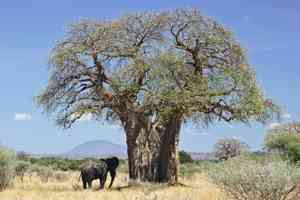
Baobab trees originate from Africa's dry areas, rendering them vulnerable to chilly weather.
2
Excessive watering in the colder months can lead to root decay in Baobab trees.
3
Sufficient illumination is vital for your Baobab's indoor winter endurance.
The Importance of Overwintering Baobab
The Importance of Overwintering Baobab
Protecting your delicate Baobab is vital for its survival in colder periods. Originating from Africa's arid, warm climates, Baobab trees lack frost hardiness and are highly susceptible to cold damage. When temperatures drop below 10°C (50°F), these trees can experience leaf loss, root damage, and even death. Therefore, understanding proper winter care for your Baobab sets the stage for a thriving tree in spring.
Preparing Baobab for Indoor Winter Care
Selecting the Optimal Spot
The indoor placement of your Baobab tree significantly impacts its winter success. Choose a location away from drafts and cold air, such as windows or doors, as abrupt temperature shifts can be detrimental. A corner in a well-lit, south-facing room is ideal to shield your tree from chills while providing ample light.
Ensuring Sufficient Illumination
Light is essential for your Baobab tree, particularly during winter. As natural light diminishes in colder months, consider supplementing with grow lights. Aim for at least 8 hours of light daily. Position the lights approximately 30 cm (12 inches) above the plant and maintain this light cycle to best mimic natural conditions.
Temperature and Humidity Requirements
Maintaining appropriate temperature and humidity levels is crucial for your Baobab's winter survival. Keep your indoor environment between 18°C to 22°C (65°F to 72°F), avoiding drastic fluctuations. Humidity can be challenging in winter due to heating; thus, a humidifier can help maintain moisture levels around 40-50%. This prevents leaf drop and promotes a healthier tree.
Watering and Feeding Your Baobab During Winter
Watering Frequency
During winter, your Baobab tree enters dormancy and requires less water. Excessive watering can lead to root rot. Water your Baobab sparingly, only when the soil is completely dry to the touch, typically about once every 3-4 weeks. Use room temperature water and ensure the pot has good drainage to prevent water from pooling at the roots.
Nutrient Needs in Dormant Season
Feeding your Baobab tree during winter is generally unnecessary as the plant is not actively growing. However, if you believe the tree needs a nutrient boost, opt for a diluted, balanced fertilizer at half strength once during the winter months. This provides sufficient nutrients without overwhelming the tree.
Common Issues and Prevention
Pest Management Strategies
Pests can become an issue even in winter. Regularly inspect your Baobab tree for common pests like spider mites, aphids, and mealybugs. Use a mild insecticidal soap or neem oil solution to treat any infestations. Keeping the tree healthy by avoiding overwatering and ensuring proper ventilation can also minimize pest problems.
Preventing Fungal Diseases
Fungal diseases are another concern when overwintering your Baobab tree. Ensure good air circulation around the plant to prevent humidity from fostering fungal growth. Water the tree sparingly and avoid getting water on the leaves. If you notice any signs of fungal infection, such as mold or mildew, treat it immediately with a fungicide.
When and How to Relocate Your Baobab Outdoors
Timing the Relocation
Timing is crucial when moving your Baobab back outdoors. Wait until all risk of frost has passed, typically when nighttime temperatures consistently remain above 10°C (50°F). This will ensure your Baobab avoids sudden cold shocks.
Acclimating Your Baobab to Outdoor Conditions
Acclimating your Baobab to the outdoors should be done gradually to prevent stress. Begin by placing the tree in a shaded, sheltered area for a few hours daily, progressively increasing its outdoor time over 1-2 weeks. This slow transition helps your tree adjust to outdoor conditions, preventing shock and ensuring a smooth recovery.



