How to Overwinter Black cohosh
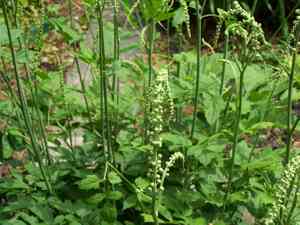
1
Black cohosh is a perennial plant that tolerates cold and grows well in USDA zones 4 to 8.
2
Adequate mulching is essential to safeguard Black cohosh roots over the winter.
3
Routine checks for pests and diseases help avoid significant problems in the spring.
Why Overwinter Black cohosh?
Why Overwinter Black cohosh?
As colder weather approaches, preparing your Black cohosh plants is crucial for their survival and vitality next spring. Winterizing helps shield the plant from frost, reduces pest and disease risks, and maintains soil health. Since Black cohosh is frost-tolerant, it can endure low temperatures, but extra care will ensure healthier, more robust plants.
Preparing Black cohosh for Winter
Cutting Back the Plant
The initial step in readying Black cohosh for winter involves pruning the plant. Using clean, sharp garden shears, cut stems to ground level once foliage has died back. This practice not only tidies your garden but also prevents the plant from expending energy on decaying leaves and stems.
Cleaning Debris
Next, carefully remove any dead leaves, stems, and other organic matter from around the plant. This cleaning process helps reduce the likelihood of harboring pests and diseases that could impact Black cohosh throughout winter. Dispose of debris far from your garden beds to avoid contamination.
Inspecting for Pests and Diseases
Before winter arrives, check your Black cohosh for any signs of pests or diseases. Examine leaves and stems for unusual spots, discolorations, or pest activity. Address any issues promptly with suitable organic or chemical treatments, ensuring the plant is healthy before winter takes hold.
How to Mulch Black cohosh for Winter Protection
Choosing the Right Mulch Material
Selecting the appropriate mulch is essential. Organic materials such as straw, wood chips, and shredded leaves are ideal for mulching Black cohosh. These materials help insulate the soil, retain moisture, and provide nutrients as they break down.
Applying Mulch Correctly
To properly apply mulch, spread an even layer across the soil surrounding your Black cohosh. Ensure the mulch covers the area around the plant's base but is not piled against the stems, which could lead to rot.
Ideal Mulch Thickness
For optimal protection, aim for a mulch layer approximately 5-8 cm (2-3 inches) thick. This thickness is sufficient to insulate roots from freezing temperatures and maintain soil moisture without suffocating the plant.
Common Issues and Solutions for Overwintering Black cohosh
Frost Damage
While Black cohosh is frost-hardy, extreme cold can still cause damage. To prevent this, ensure proper mulching and consider using frost cloths during unusually harsh periods. If you notice frost damage in spring, prune affected parts to encourage new growth.
Root Rot
Root rot often results from excessive moisture around the plant's roots. Prevent this by ensuring your mulch layer isn't too thick and allows for proper drainage. If you suspect root rot, adjust watering practices and improve soil drainage.
Pest Infestations
Pests can survive winter by hiding in garden debris. Regularly inspect and clean your garden in late fall to prevent infestations. If pest problems persist, consider using organic insecticides or introducing beneficial insects to control pest populations.



