How to Overwinter Norway maple
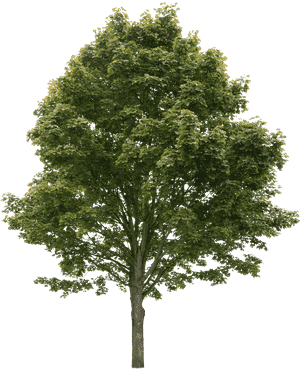
1
Norway maples are capable of enduring temperatures down to -40°F (-40°C), indicating strong frost resistance.
2
Applying a substantial layer of mulch can aid in protecting the root area over winter.
3
Remove any dead or fragile branches in late autumn to minimize potential harm from winter conditions.
What Does Overwintering Mean for Norway maple?
What Does Overwintering Mean for Norway maple?
Overwintering refers to the process of preparing a plant, especially perennials like the Norway maple, to endure the cold winter months. It involves specific care methods to ensure the tree stays healthy and resilient despite severe weather. Proper overwintering practices help the Norway maple avoid damage from frost, snow, and strong winds, leading to a more robust plant in spring.
Preparing Your Norway maple for Winter
Assessing Tree Health
Before the cold arrives, it's vital to check the health of your Norway maple. Look for signs of illness, pest infestations, and structural weaknesses. Healthy trees are better equipped to withstand winter's harshness. Create a checklist to confirm your tree is free from any spots, unusual growths, or significant damage.
Proper Pruning Techniques
Pruning is a crucial step in readying your Norway maple for winter. Remove any dead, diseased, or weak branches to lessen the chance of damage from heavy snow and ice. Use clean, sharp tools for precise cuts. Aim to prune in late fall, before the first hard frost, to minimize stress on the tree.
Watering Before Winter
Hydration is essential for a tree's well-being. Provide your Norway maple with a thorough watering in late fall, before the ground freezes. Ensure the water penetrates at least 30 cm (12 inches) deep. Adequate hydration helps the tree cope with dry winter air more effectively. Use about 40-50 liters (10-15 gallons) of water, depending on the tree's size.
Mulching Around the Base
Mulching helps insulate the roots of your Norway maple. Spread a layer of mulch approximately 5-10 cm (2-4 inches) thick around the base, extending it two feet (60 cm) from the trunk. Avoid piling mulch against the trunk as it can cause rot. Organic materials like shredded leaves, straw, or wood chips are most effective.
Protecting Young Norway maple Trees
Using Tree Wraps and Guards
Young Norway maple trees benefit from tree wraps and guards, which shield the bark from temperature fluctuations and animal damage. Wraps should be applied in late fall and can be removed in early spring. Ensure the wraps are breathable to prevent moisture accumulation.
Shelter from Harsh Winds
Strong winter winds can cause physical harm and strip moisture from young trees. Create a windbreak using burlap or position the tree near a structure that offers natural wind protection. This will reduce wind exposure and help maintain the tree's moisture levels.
Insulating the Root Zone
In addition to mulching, you can further insulate the root zone of young Norway maples by adding a layer of straw or pine needles before the first frost. This extra layer helps maintain soil temperature and reduces the risk of root damage.
Common Winter Issues for Norway maple
Dealing with Frost Cracks
Frost cracks occur due to rapid temperature changes, causing the bark to expand and contract quickly. To minimize this risk, protect your Norway maple's trunk with wraps or guards. If cracks appear, keep the area dry and clean to prevent infection.
Addressing Branch Breakage
Heavy snow and ice can lead to branches breaking. Regular pruning can help reduce this risk by removing weak branches. Additionally, shaking excess snow off branches can prevent them from becoming too heavy and snapping.
Preventing Pests and Diseases
While the Norway maple is relatively resilient, it's still vulnerable to pests and diseases. Apply dormant oil sprays in late fall to reduce pest activity. Also, keep the area around the tree clean and free of fallen leaves and branches, which can harbor diseases.



