How to Overwinter Bear's breech
1
Bear's breech tolerates cold down to USDA zone 7, indicating it can endure temperatures reaching -17.8°C (0°F).
2
Applying appropriate mulch around Bear's breech aids in root insulation and maintaining soil hydration.
3
Frequent checks for winter frost damage allow for prompt action and recuperation.
Understanding Bear's breech and Winter Hardiness
Understanding Bear's breech and Winter Hardiness
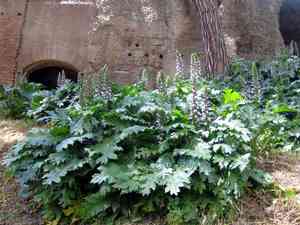
Originating from the Mediterranean, Bear's breech is recognized for its attractive, deep green leaves and striking white to purplish blooms. This plant exhibits hardiness down to USDA zone 7, meaning it can endure temperatures as low as -17.8°C (0°F). Grasping its winter resilience is vital. While it can survive in colder temperatures, specific care practices ensure its prosperity during the colder months.
Preparing Bear's breech for Winter
When to Start Winter Preparations
Begin readying Bear's breech for winter once temperatures consistently drop, typically in late autumn. This timing allows the plant ample opportunity to enter dormancy, which is crucial for enduring the cold season.
Pruning Bear's breech Before Winter
Pruning is a key component of winter preparation for Bear's breech. Remove any dead or diseased foliage to deter pests and illnesses. Cut the plant back to a manageable size, but avoid severe pruning, as this can stress the plant. Use clean, sharp pruning shears for optimal results.
Soil and Mulching Tips
Appropriate soil and mulching methods can safeguard Bear's breech roots from extreme cold. Apply a thick layer of organic mulch, such as straw or shredded bark, around the plant's base. This layer should be approximately 5-7.5 cm (2-3 inches) deep to insulate and retain soil moisture. Ensure the soil drains well to prevent waterlogging, which can cause root rot during cold periods.
Should You Bring Bear's breech Indoors?
Evaluating Your Climate
If you reside in an area with winters harsher than USDA zone 7, consider relocating Bear's breech indoors. High elevations and regions with sudden temperature drops can be particularly challenging for this plant. Assess your local climate conditions to determine the best course of action.
Indoor Care Tips for Bear's breech
When moving Bear's breech indoors, place it in a well-lit room with indirect sunlight. Ensure the indoor temperature stays above 10°C (50°F). Water the plant sparingly, as reduced light and cooler temperatures significantly lower its water requirements. Moderate humidity is recommended to prevent leaf desiccation.
Maintaining Bear's breech During Winter
Monitoring Water Needs
Watering requirements for Bear's breech decrease considerably during winter. Keeping the soil slightly damp but not saturated is essential. Ensure the top 2-3 cm (1 inch) of soil is dry before the next watering to prevent root rot.
Preventing Pests and Diseases
Winter can be a prime period for pests and diseases. Regularly inspect Bear's breech for signs of aphids, mites, or fungal infections. Address any issues promptly using suitable organic or chemical treatments. Maintain good air circulation around the plant to minimize disease risk.
Checking for Frost Damage
Periodically check your Bear's breech for frost damage, especially during colder nights. Frost damage often manifests as blackened, wilted leaves. If observed, remove the damaged parts quickly to prevent further problems and prepare the plant for a healthier spring recovery.
Reviving Bear's breech After Winter
Inspecting for Winter Damage
As winter recedes, examine your Bear's breech for any damage sustained during the colder months. Look for indications of frostbite, disease, or pest infestations. Prompt intervention can prevent long-term harm and support a vigorous revival in spring.
Pruning and Tidying Up
Once the threat of frost has passed, prune away any dead or damaged foliage. This cleanup helps the plant direct its energy towards new growth. A thorough spring cleaning sets the stage for a lush and healthy Bear's breech during the growing season.
Feeding and Watering in Spring
In spring, gradually increase watering as temperatures and sunlight levels rise. Begin feeding Bear's breech with a balanced, slow-release fertilizer to encourage robust growth. Follow the package instructions for the correct dosage and frequency.



