How to Overwinter Copperleaf
1
Copperleaf is susceptible to frost damage, requiring indoor shelter when temperatures fall below 10°C (50°F).
2
Provide your Copperleaf with a minimum of 6 hours of diffused sunlight indoors each day.
3
Keeping indoor humidity between 40-60% aids in avoiding stress and leaf shedding.
Understanding Copperleaf's Frost Tender Nature
Understanding Copperleaf's Frost Tender Nature
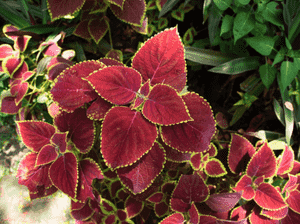
The Copperleaf (Acalypha wilkesiana) is prized for its vivid foliage and lush appearance. However, it is a plant sensitive to cold, meaning it does not tolerate low temperatures well. When the temperature drops below 10°C (50°F), action is required. Unlike plants that can endure colder climates, Copperleaf originates from warmer regions, making it vulnerable to frost damage. Frost can cause its leaves to discolor and may lead to overall plant decline if not addressed. Therefore, comprehending its susceptibility to frost is the initial step in ensuring its survival through winter. This care guide will assist you in providing the necessary conditions to maintain your Copperleaf's health during the colder months.
How to Transition Copperleaf Indoors
Step 1: Cleaning and Inspecting the Plant
Before moving your Copperleaf inside, it's crucial to clean and examine it for any pests or diseases. Gently wash the leaves with a mixture of water and mild soap to remove any dirt and potential insects. Check for common pests such as aphids, mealybugs, and spider mites. Additionally, trim any dead or yellowing leaves to keep the plant looking healthy and to prevent potential issues from spreading indoors.
Step 2: Repotting if Necessary
If your plant has outgrown its current container, this is an ideal time to repot it. Select a pot that is 2.5 to 5 centimeters (1-2 inches) larger in diameter than the existing one. Use a well-draining potting mix to prevent waterlogging once the plant is indoors. Ensure the new pot has adequate drainage holes. Repotting not only supports healthy root development but also minimizes the risk of root rot.
Step 3: Gradual Acclimatization
Transitioning your Copperleaf indoors should be done slowly to prevent shock. Begin by bringing the plant inside at night and moving it back outdoors during the day. Gradually increase the time it spends indoors over one to two weeks. This slow adjustment helps the plant adapt to lower light conditions and different humidity levels indoors.
Indoor Care Tips for Copperleaf During Winter
Optimal Lighting Conditions
Although Copperleaf can tolerate lower light levels, it prefers bright, indirect sunlight when indoors. Position it near a south or west-facing window where it can receive approximately 6 hours of indirect light daily. If natural light is insufficient, consider using a grow light to supplement its requirements.
Maintaining Ideal Temperature and Humidity
Keeping the indoor temperature between 18-24°C (65-75°F) is optimal for your Copperleaf. Avoid placing it near drafts, heating vents, or cold windowsills. The plant also thrives in higher humidity levels, typically between 40-60%. You can increase humidity by using a humidifier, placing a water tray nearby, or misting the leaves regularly.
Watering and Fertilization Schedule
During winter, the growth rate of Copperleaf slows, so it requires less water. Allow the top 2.5 centimeters (1 inch) of soil to dry out before watering again. Overwatering can lead to root rot, so exercise caution. Fertilize sparingly during winter, using a balanced, water-soluble fertilizer at half strength once a month.
Common Issues and Solutions for Overwintering Copperleaf
Dealing with Pests and Diseases
Even indoors, your Copperleaf can be vulnerable to pests like spider mites and aphids. Regularly inspect the plant and treat infestations promptly with insecticidal soap or neem oil. Maintain good air circulation around the plant to minimize fungal diseases, and avoid letting leaves remain wet for extended periods.
Addressing Leaf Drop and Yellowing
Itâs normal for Copperleaf to experience some leaf drop or yellowing as it adjusts to indoor conditions. Ensure it's receiving sufficient light and humidity, and avoid overwatering. If the issue persists, consider whether it might need more light or a slight increase in temperature.



