How to Overwinter Musk okra
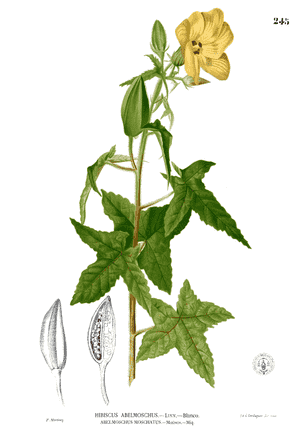
1
Musk okra is somewhat resilient, indicating it cannot endure temperatures below freezing.
2
Maintain an indoor climate for Musk okra between 15-24°C (59-75°F) throughout the colder months.
3
Employ soil that drains effectively and irrigate sparingly to prevent the decay of roots.
Understanding the Half-Hardy Nature of Musk okra
Understanding the Half-Hardy Nature of Musk okra
Prior to winter's arrival, grasping the characteristics of Musk okra is vital. This vibrant, aromatic plant, originating from tropical regions, is categorized as half-hardy. This implies its intolerance to severe frost or freezing conditions. When temperatures begin to fall below 10°C (50°F), it's time to consider relocating your Musk okra indoors. Recognizing its limitations can help prevent unforeseen damage during the colder months.
Preparing Musk okra for Overwintering
When to Start Preparation
Initiate preparations for your Musk okra's winterization as soon as weather forecasts predict consistent nighttime temperatures below 10°C (50°F). It's advisable to move your plant indoors before the initial frost to prevent shock and harm.
Necessary Tools and Supplies
To overwinter Musk okra, you'll require some basic items: a clean container, well-draining potting mix, pruning shears, and a gentle insecticidal soap. A hand-held mister for humidity and a small grow light for insufficient indoor lighting are also beneficial.
Pruning and Cleaning
Trim your Musk okra to remove any dead or yellowed foliage. This not only aids the plant in conserving energy during the low-light winter period but also reduces the likelihood of pests and diseases. Thoroughly clean the plant with a mild soap solution to eliminate any lingering pests before bringing it inside.
Creating the Ideal Indoor Environment for Musk okra
Optimal Temperature and Humidity Levels
Musk okra thrives in temperatures ranging from 15-24°C (59-75°F). Aim to maintain the indoor environment within this range. Keep humidity levels around 50%, using a humidifier or frequent misting if the air becomes excessively dry.
Lighting Requirements
Musk okra needs bright, indirect illumination. Position the plant near a south or west-facing window to ensure ample light. If natural light is inadequate, consider employing a full-spectrum grow light for approximately 12-16 hours daily.
Soil and Watering Considerations
Utilize a well-draining potting mix to prevent waterlogged soil, which can lead to root rot. Water your Musk okra moderately, allowing the top 2-3 cm (1 inch) of soil to dry out between waterings. Reduce watering frequency during cooler months as the plant's growth slows.
Monitoring and Maintaining Overwintered Musk okra
Regular Health Checks
Conduct routine health inspections of your Musk okra to detect any signs of stress early. Look for yellowing leaves, wilting, or unusual spots, which could indicate illness or pests.
Pest and Disease Management
Indoor settings can still attract pests like aphids or spider mites. Address any infestation promptly with insecticidal soap or neem oil. Be vigilant for fungal diseases, often caused by overwatering or poor air circulation, and adjust care routines as necessary.
Adjusting Care Routines as Needed
As winter progresses, observe your Musk okra and modify care routines accordingly. This might involve increasing humidity, altering watering schedules, or adjusting light exposure. Adaptability is key to keeping your plant healthy throughout the winter.
Preparing Musk okra for the Transition Back Outdoors
Timing the Re-introduction to the Garden
Once spring approaches and outdoor temperatures consistently exceed 10°C (50°F), you can begin contemplating moving your Musk okra back outside. Waiting for warmer, stable weather ensures a smoother transition.
Gradual Acclimatization Process
Acclimate your Musk okra to the outdoor environment progressively. Start by placing it outside for a few hours daily in a shaded area, gradually increasing the duration and exposure to direct sunlight over one to two weeks.
Final Steps for Outdoor Reestablishment
Before replanting your Musk okra in the garden, inspect it for any indications of pests or disease. Prune as needed to encourage new growth. Replant in well-draining soil, positioning it where it will receive full to partial sunlight.



