Enhancing Your Garden Design with the Zinnia peruviana Plant: A Landscaping Guide
1
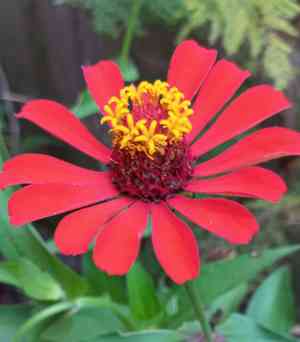
Peruvian zinnia offers a stunning aesthetic to diverse garden layouts.
2
Selecting an appropriate site and companion plants is crucial for optimal Peruvian zinnia performance.
3
Consistent care ensures Peruvian zinnia remains robust and colorful across all seasons.
Introducing Peruvian Zinnia in Garden Design
Peruvian zinnia's distinct aesthetic appeal
Peruvian zinnia is prized for its vivid hues and distinctive forms, which can infuse vitality and vigor into any landscape. This plant produces a spectrum of shades, creating a vibrant array of colors suitable for diverse garden schemes. Whether you desire a bold focal point or a subtle color accent, Peruvian zinnia adapts wonderfully to your requirements.
How Peruvian zinnia complements various garden aesthetics
Peruvian zinnia effortlessly integrates with a range of garden styles, from modern to rustic cottage designs. Its adaptability means it can be incorporated into formal garden pathways or natural, free-flowing arrangements. The plant's versatility allows its use in mixed borders, flower beds, or as standalone features in container plantings.
Integrating Peruvian Zinnia into Your Garden
Selecting the optimal site for planting Peruvian zinnia
Choosing the perfect spot for Peruvian zinnia in your garden is vital for its development and visual impact. The plant flourishes in sunny locations where it receives ample light daily. Ensure the soil drains well to prevent root rot, which can hinder growth. Correct placement not only guarantees healthy plants but also enhances their aesthetic contribution to your landscape.
Design concepts: Edges, focal points, and color arrangements
Utilizing Peruvian zinnia creatively in your garden layout can elevate its charm. Position Peruvian zinnia along borders to establish a lively edge or employ it as a central feature in a main flower bed. Regarding color schemes, pairing Peruvian zinnia with complementary or contrasting shades can yield striking visuals. Blending Peruvian zinnia with foliage can accentuate its brilliant blooms, creating a balanced and captivating display.
Pairing Peruvian Zinnia with Other Flora
Ideal companion plants for Peruvian zinnia
To maximize visual appeal, combine Peruvian zinnia with plants that complement its size and coloration. Excellent companions include ornamental grasses, which provide textural contrast, or other flowering plants that bloom at different times, extending visual interest throughout the season. The right companions can enhance the overall harmony and vibrancy of your garden design.
Advice for creating cohesive plant groupings
Crafting harmonious plant groupings involves careful selection and arrangement. Concentrate on color coordination, similar water, and light requirements. Consider height and growth habits to ensure no plant overshadows Peruvian zinnia. Layering plants from front to back based on their stature can add depth to your garden, making Peruvian zinnia an integral part of a unified design.
Seasonal Considerations for Peruvian Zinnia
Optimal planting period for Peruvian zinnia
The best time to plant Peruvian zinnia is in early spring after the final frost. This timing allows the plant to establish itself before the intense summer heat, providing a long period of growth and flowering. Planting at the correct time ensures robust development and an extended blooming season.
Managing Peruvian zinnia throughout the year
To maintain Peruvian zinnia's best appearance year-round, it requires varied care across the seasons. In spring, focus on planting and providing sufficient water to encourage growth. During summer, mulching can help retain soil moisture and protect roots from heat. Fall is for deadheading and preparing the plant for dormancy if you reside in colder climates. Understanding seasonal care ensures Peruvian zinnia remains a garden highlight all year.
Care Guidelines for Thriving Peruvian Zinnia Plants
Basic maintenance and pruning
Maintaining Peruvian zinnia involves consistent watering, especially during dry periods, and regular fertilization to support growth. Trimming or deadheading spent flowers encourages new blooms and keeps the plant looking neat. Promptly removing any diseased or damaged parts helps prevent potential issues and supports overall plant health.
Addressing pests and common ailments
Peruvian zinnia is quite resilient but can be susceptible to pests like aphids and diseases such as powdery mildew. Regular inspection helps detect problems early. Use organic insecticides or natural predators to control pests, and ensure good air circulation around the plant to prevent fungal infections. Proper hygiene, like clearing fallen leaves, reduces disease risks and promotes a healthier garden.



