Enhancing Your Garden Design with the Common zinnia Plant: A Landscaping Guide
1
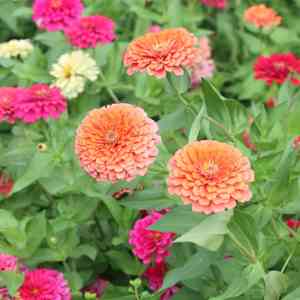
The common zinnia is a adaptable plant capable of introducing vivid hues and distinct forms to your garden.
2
Selecting an appropriate site for common zinnia profoundly impacts its development and visual charm.
3
Intercropping with common zinnia contributes to improved garden vitality and attractiveness.
Introducing Zinnia elegans in Garden Design
Overview of Zinnia elegans and its garden appeal
Zinnia elegans is a cherished plant among garden enthusiasts due to its vivid hues and diverse forms. This species is simple to cultivate and care for, making it a favored option for both novice and experienced gardeners. Its capacity to flourish in various climates and soil types enhances its popularity, contributing to rich, captivating landscapes.
Key characteristics of Zinnia elegans suitable for landscaping
The adaptability of Zinnia elegans makes it perfect for diverse garden layouts. It showcases bright, bold blossoms that create striking visual effects, and it can add height and depth to your garden arrangement. Furthermore, Zinnia elegans blooms for an extended duration, ensuring your garden remains colorful throughout the active growing period.
Selecting the Ideal Spot for Zinnia elegans
Factors for optimal placement consideration
When choosing a site for Zinnia elegans, it's crucial to evaluate sunlight exposure, soil quality, and drainage. Zinnia elegans thrives in full sun, so pick a location that receives at least six hours of direct sunlight daily. Ensure the soil drains well to prevent root rot, and enrich it with compost or organic matter to supply vital nutrients.
How location impacts growth and appearance
The positioning of Zinnia elegans significantly affects its growth rate and bloom production. Insufficient sunlight can result in leggy plants with fewer flowers, while excessively wet soil can lead to root diseases. Conversely, placing Zinnia elegans in optimal conditions promotes vigorous growth, vibrant blooms, and a healthier overall plant.
Designing with Zinnia elegans: Color and Structure
Leveraging the vibrant colors of Zinnia elegans
A prominent feature of Zinnia elegans is its spectrum of vivid colors, including shades of red, pink, yellow, and orange. These colors can be used to establish striking contrasts or harmonious blends within your garden. For a unified look, consider pairing Zinnia elegans with plants that complement or accentuate its shades.
Available shapes and sizes of Zinnia elegans
Zinnia elegans comes in various forms and dimensions, from compact varieties ideal for border plantings to taller types suitable for the rear of garden beds. The different structures add layers to your landscape, making Zinnia elegans a versatile choice for diverse design requirements.
Companion Plants for Zinnia elegans
Best plants to cultivate alongside Zinnia elegans
Choosing appropriate companion plants for Zinnia elegans can boost the overall beauty and vitality of your garden. Consider pairing Zinnia elegans with marigolds for a lively display, or with herbs like basil to deter pests. Other suitable companions include salvias and cosmos, which flourish in similar conditions and add complementary colors and forms.
Advantages of strategic plant pairings
Thoughtful planting, such as using Zinnia elegans with companions that ward off pests or enhance soil health, can foster a more self-sustaining garden ecosystem. For instance, basil's aromatic qualities help repel harmful insects, while marigolds can deter nematodes, offering a natural benefit alongside Zinnia elegans.
Care Guidelines for Zinnia elegans in Landscaping
Seasonal care and management
Caring for Zinnia elegans involves consistent watering, fertilizing, and deadheading. During the active growth period, water Zinnia elegans regularly, but allow the soil to dry out between waterings to prevent root problems. Apply a balanced fertilizer every few weeks to encourage abundant blooms. Removing spent flowers promotes continuous blooming and a neater appearance.
Addressing common issues
Typical challenges when growing Zinnia elegans include pests like aphids and diseases such as powdery mildew. To combat these, inspect plants frequently and use insecticidal soap or neem oil if necessary. Ensure adequate spacing and air circulation to prevent fungal issues. If mildew appears, try a homemade baking soda solution to treat affected areas.
Landscaping Projects Featuring Zinnia elegans
Examples of successful Zinnia elegans landscaping
Many gardens exhibit successful landscaping projects incorporating Zinnia elegans. For instance, a cottage garden filled with colorful Zinnia elegans, daisies, and lavender offers a charming, rustic appeal. Urban gardens featuring Zinnia elegans in large containers can brighten patios and small spaces with vibrant splashes of color.
Inspiration for your next garden endeavor
Inspired by the adaptability of Zinnia elegans, consider creating a rainbow garden by planting different colored varieties in rows or clusters. Alternatively, a pollinator-friendly garden featuring Zinnia elegans alongside nectar-rich plants like sunflowers and coneflowers can attract beneficial insects and enhance ecological diversity in your garden.



