Enhancing Your Garden Design with the Narrow leaf zinnia Plant: A Landscaping Guide
1
Narrow leaf zinnia adapts well to diverse soil conditions, making it a flexible garden plant.
2
Narrow leaf zinnia is a superb option for gardens requiring minimal upkeep.
3
Combining Narrow leaf zinnia with suitable companion plants can boost your garden's aesthetic.
Introducing Narrow leaf zinnia in Garden Design
Overview of Narrow leaf zinnia as a versatile landscaping element
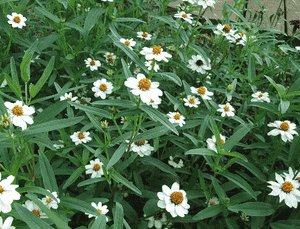
When selecting plants for your landscape, Narrow leaf zinnia stands out as a flexible and adaptable option. Recognized for its slender foliage and vibrant blossoms, Narrow leaf zinnia can easily become a focal point in any garden. Its capacity to thrive in diverse soil and environmental conditions makes it an excellent choice for gardeners seeking both beauty and practicality. Whether you aim to fill empty spaces in a border or create a lively centerpiece, Narrow leaf zinnia can fulfill your requirements.
Advantages of integrating Narrow leaf zinnia into garden and yard layouts
Integrating Narrow leaf zinnia into your landscape design offers numerous advantages. Firstly, its bright, cheerful flowers can inject a burst of color into any garden, creating an aesthetically pleasing environment. Furthermore, Narrow leaf zinnia is relatively low-maintenance, requiring minimal irrigation and care once established. It also exhibits resistance to many common pests and diseases, making it a dependable option for long-term planting. Additionally, using Narrow leaf zinnia in landscaping can help attract pollinators like butterflies and bees, fostering a healthier and more biodiverse garden ecosystem.
Design Concepts Featuring Narrow leaf zinnia
Creating color contrasts with Narrow leaf zinnia
Narrow leaf zinnia is available in various hues, which allows for striking color contrasts when paired with other plants. For example, combining bright Narrow leaf zinnia blooms with darker foliage plants can produce a dramatic visual impact. Alternatively, you can mix different color varieties of Narrow leaf zinnia to form a vibrant, multicolored flower bed. Utilizing Narrow leaf zinnia to create these contrasts not only enhances your garden's beauty but also adds depth and interest to the overall landscape design.
Incorporating Narrow leaf zinnia in borders and edges
Using Narrow leaf zinnia in borders and edges can effectively define the boundaries of your garden space. The slender leaves and vivid blossoms of Narrow leaf zinnia can line pathways, driveways, or garden edges, providing a clear demarcation that is both functional and visually appealing. This approach not only organizes your garden neatly but also adds a layer of texture and color that can complement other plants and landscaping elements.
Utilizing Narrow leaf zinnia in low-maintenance areas
For those who prefer a garden that requires minimal upkeep, Narrow leaf zinnia is an excellent choice. Its drought tolerance and pest resistance mean less effort for the gardener. Planting Narrow leaf zinnia in areas that receive ample sunlight and have well-drained soil can ensure these spaces remain vibrant with little maintenance. This makes Narrow leaf zinnia an ideal option for rock gardens, slopes, or any parts of the yard where intensive gardening and care are not practical.
Optimizing Growing Conditions for Narrow leaf zinnia
Ideal soil types for Narrow leaf zinnia
Narrow leaf zinnia thrives in well-draining soils, but it is not overly particular and can adapt to various soil types. However, for optimal growth, sandy or loamy soils that offer good drainage and moderate fertility are best. Avoid heavy clay soils which can retain water and lead to root rot. Incorporating organic matter, such as compost, into the soil can further enhance its nutrient profile and structure, providing a favorable environment for Narrow leaf zinnia to flourish.
Sunlight requirements for optimal growth
Sunlight is essential for the optimal growth of Narrow leaf zinnia. It performs best in full sun, meaning it needs at least six hours of direct sunlight daily. Planting Narrow leaf zinnia in areas where they can receive abundant sunlight will ensure vibrant blooms and healthy growth. While Narrow leaf zinnia can tolerate partial shade, too much shade will result in less flowering and may affect the plant's overall vigor.
Watering practices for sustaining Narrow leaf zinnia
Narrow leaf zinnia is fairly drought-tolerant once established, but proper watering can maintain its health and encourage better blooming. Initially, consistent watering is necessary to help young plants establish their root systems. Once established, Narrow leaf zinnia should be watered deeply but infrequently, allowing the soil to dry out between waterings. Overwatering can harm the plant, so it is crucial to find a balance, especially in areas with heavy rainfall or poor drainage.
Complementary Plants to Pair with Narrow leaf zinnia
Choosing companion plants for visual impact
Pairing Narrow leaf zinnia with complementary plants can significantly enhance your garden's visual appeal. Consider plants with contrasting leaf shapes, colors, and growth habits. For instance, combining Narrow leaf zinnia with ornamental grasses can add texture and movement to the landscape. Similarly, pairing Narrow leaf zinnia with larger-leaved perennials or shrubs can create a layered effect, drawing attention and adding depth to garden beds.
Benefits of plant diversity with Narrow leaf zinnia
Incorporating a diverse range of plants alongside Narrow leaf zinnia can offer numerous benefits beyond aesthetics. Plant diversity can attract a wider variety of pollinators and beneficial insects, contributing to a healthier garden ecosystem. It also helps in reducing the spread of pests and diseases, as a mixture of plants can disrupt the life cycles of harmful organisms. Moreover, having a variety of plants ensures that even if one type performs poorly due to weather conditions or pests, others will continue to thrive, maintaining the overall beauty and health of your garden.



