Enhancing Your Garden Design with the Rain lily Plant: A Landscaping Guide
1
Rain lily offers a superb option for introducing vibrant hues to your outdoor space.
2
Rain lily flourishes in soil that drains effectively and receives ample sun exposure.
3
Integrate Rain lily into your garden design to enhance ecological variety and aid native fauna.
Introducing Rain lily to Your Garden
Why choose Rain lily for landscaping?
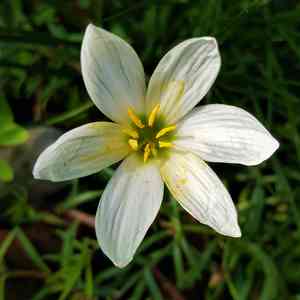
Rain lily offers a unique blend of beauty and resilience that can dramatically transform your garden. With its elegant blooms and ability to flourish in a variety of conditions, Rain lily is a versatile choice for both novice and experienced gardeners. Not only does it add visual appeal with its lovely, star-shaped flowers, but it also requires minimal maintenance, making it a practical addition to your home landscape. The bursts of color provided by Rain lily can create a vibrant focal point in your garden, enhancing the overall aesthetic of your outdoor space.
Understanding the growing conditions of Rain lily
To ensure Rain lily thrives in your garden, itâs vital to understand its growing conditions. Rain lily prefers well-drained soil and can tolerate both full sun and partial shade, giving you flexibility in where you plant it. While it's not overly fussy, Rain lily does appreciate regular watering, especially during dry spells. Ensure your soil has good drainage to prevent root rot. By providing these ideal growing conditions, you will encourage strong growth and abundant flowering, allowing Rain lily to reach its full potential in your landscape.
Design Principles Using Rain lily
Incorporating Rain lily into various landscape styles
Rain lily can be seamlessly integrated into a multitude of landscaping styles, from formal gardens to wildflower meadows. Its delicate appearance makes it perfect for border plantings around your garden beds, and it can also serve as an excellent ground cover. For a more structured look, plant Rain lily in neat rows along walkways or around patios. If you prefer a more naturalistic style, scatter them in clusters throughout your garden to mimic their natural, free-form growth pattern. The adaptability of Rain lily allows you to tailor your garden design to your specific tastes.
Color coordination and seasonal considerations
When planning your garden with Rain lily, pay attention to color coordination and seasonal timing. Rain lily typically blooms in late summer and fall, providing a much-needed splash of color as other plants start to fade. Pair Rain lily with early blooming bulbs and perennial plants that bloom at different times to ensure your garden has continuous color. The white or pink hues of Rain lily's flowers can complement a range of other plants, creating a harmonious and visually appealing landscape. By considering the bloom times and colors, you can design a garden that looks beautiful year-round.
Practical Tips for Planting Rain lily
Step-by-step guide to planting Rain lily
Planting Rain lily is straightforward and rewarding. Begin by selecting a location that receives full sun to partial shade and has well-drained soil. Dig holes that are about two to three inches deep and place each bulb in the hole with its pointed end facing up. Space the bulbs four to six inches apart to give them room to grow. Cover the bulbs with soil and water them thoroughly. As they start to grow, ensure the soil remains moist but not waterlogged. Within a few weeks, you will begin to see the first signs of growth, leading to beautiful blooms.
Strategies for ongoing care without detailed maintenance instructions
Once Rain lily is established in your garden, ongoing care is relatively simple. Regular watering, especially during dry periods, will keep the plant healthy. Mulching around the plants can help retain moisture and suppress weeds. Additionally, occasional feeding with a balanced fertilizer can promote vigorous growth and flowering. Remove any dead or faded flowers to encourage more blooms and keep the plant looking tidy. With these basic care strategies, Rain lily will continue to thrive and add beauty to your garden for years to come.
Enhancing Your Landscape with Rain lily
Creative uses of Rain lily in landscape features
Rain lily can be used creatively in various landscape features to enhance your outdoor space. Consider planting them in rock gardens where their delicate blooms contrast beautifully with the rugged stones. They also work well in container gardens, adding an elegant touch to patios and balconies. For a dramatic effect, plant Rain lily in masses to create a carpet of flowers that can serve as a stunning focal point. Whether you use them in small, intimate garden areas or large open spaces, Rain lily brings a touch of elegance and charm to any landscape feature.
Combining Rain lily with other plants for maximum impact
To maximize the impact of Rain lily in your garden, consider combining them with other plants that complement their appearance and growth habits. Pair Rain lily with taller perennials or ornamental grasses to create an interesting layered effect. The soft colors of Rain lily work well with bold-colored flowers, such as daylilies or coneflowers, creating striking contrasts. By mixing Rain lily with a variety of plants, you can create a dynamic and visually appealing garden that offers diverse textures and colors. This combination strategy not only enhances your gardenâs aesthetics but also promotes a healthier and more resilient plant community.
The Environmental Benefits of Rain lily
Contribution of Rain lily to biodiversity
Rain lily plays a significant role in supporting biodiversity in your garden. By incorporating Rain lily into your landscape, you create an environment that attracts a variety of pollinators, such as bees and butterflies. These pollinators are essential for the health and productivity of many garden plants. Additionally, the presence of Rain lily can provide habitat and food sources for other garden insects, further enriching the biodiversity of your outdoor space. By choosing Rain lily, you contribute to creating a balanced and thriving ecosystem in your garden.
How Rain lily supports local wildlife
Beyond enhancing biodiversity, Rain lily provides specific benefits to local wildlife. Its flowers attract pollinators that are crucial for the reproduction of many plant species. The plant also offers shelter for small creatures and serves as a food source for various insects. By planting Rain lily, you support the local wildlife community, promoting a healthy and vibrant garden ecosystem. This contributes to the overall health of your garden and helps maintain the ecological balance, ensuring that your outdoor space remains lively and productive.



