Enhancing Your Garden Design with the Cardboard palm Plant: A Landscaping Guide
1
Cardboard palm provides a distinct texture that enhances contemporary and classic garden aesthetics.
2
Proper positioning and distance are crucial for the enduring well-being and visual appeal of Cardboard palm.
3
Regular upkeep, such as inspecting for problems and trimming, maintains Cardboard palm's attractiveness throughout the year.
Grasping the Function of Cardboard Palm in Garden Design
Introduction to the visual appeal of Cardboard palm
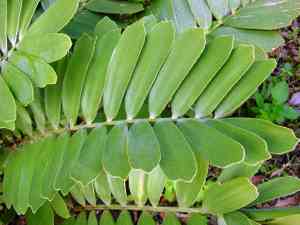
The Cardboard palm is known for its distinct, rugged foliage that resembles cardboard. This plant is not only unique in texture but also striking in appearance, making it a prominent feature in any garden setting. Its sturdy and sculptural form adds a touch of boldness and structure, creating visual interest and serving as a central point. The dark green leaves with a slight sheen can add depth and richness to your garden, enhancing the overall aesthetic quality of the space.
Advantages of integrating Cardboard palm into outdoor areas
Incorporating Cardboard palm into your landscape design offers numerous benefits. Beyond its unique beauty, Cardboard palm is recognized for its minimal care requirements, making it suitable for both new and experienced gardeners. It adapts well to various soil conditions and is drought-tolerant, making it a practical choice for gardens in diverse climates. Moreover, it can provide shelter for smaller plants when strategically positioned, contributing to a diverse and thriving garden ecosystem.
Optimal Placement Strategies for Cardboard Palm in Garden Layouts
Assessing sunlight and shade needs
Cardboard palm thrives best in bright, indirect light but can also endure partial shade. It is crucial to select a garden spot that receives some sunlight throughout the day while avoiding direct, intense sun that could scorch its leaves. If your garden has shaded corners or areas with filtered light, consider placing Cardboard palm there. This ensures the plant gets sufficient light for healthy growth without exposure to extreme conditions.
Spacing considerations for ideal growth and visual impact
For Cardboard palm to flourish and maintain its striking visual appeal, proper spacing is vital. Allow at least 3 to 4 feet of space between Cardboard palm and other plants to ensure adequate air circulation and room for expansion. This spacing also helps emphasize the individual beauty of Cardboard palm, preventing it from being overshadowed by other foliage. When planting multiple Cardboard palms, this spacing creates a balanced and organized arrangement, showcasing the plantâs structure and enhancing the overall garden design.
Companion Planting Concepts for Cardboard Palm
Selecting complementary plants for color and texture harmony
To create a cohesive garden landscape, pair Cardboard palm with plants that complement its unique texture and color. Consider using plants with soft, flowing foliage, such as ornamental grasses or ferns, to contrast with the bold, rugged leaves of Cardboard palm. Additionally, flowering plants like plumeria or lantana, which produce vibrant blooms, can add a splash of color that highlights and complements the dark green leaves of Cardboard palm. This combination not only enhances visual interest but also creates a balanced and unified look.
Developing dynamic groupings for year-round appeal
To ensure your garden remains visually engaging throughout the year, combine Cardboard palm with plants that offer seasonal changes in color and form. For instance, integrate evergreens, which provide constant greenery, along with deciduous plants that change colors with the seasons. Adding perennials with varying bloom times ensures that different plants take the spotlight at different times of the year, while Cardboard palm provides consistent texture and structure. This dynamic grouping strategy keeps the garden vibrant and interesting regardless of the season.
Care Guidelines for Cardboard Palm to Ensure Lasting Beauty
Regular inspections for common issues and preventative care
Maintaining the long-term beauty of Cardboard palm involves routine checks for common issues such as pests and diseases. Inspect the leaves frequently for signs of yellowing, spotting, or damage, and take prompt action if any problems are detected. Using an appropriate fertilizer during the growing season can also promote healthy growth. Ensuring proper wateringâneither too dry nor too wetâis crucial, as overwatering can lead to root rot while underwatering can stress the plant. Implementing these preventative measures helps Cardboard palm thrive.
Pruning techniques to maintain shape and health
Pruning is an essential part of maintaining Cardboard palm's shape and health. Remove any dead, damaged, or yellowing leaves to prevent the spread of disease and allow the plant to direct its energy towards healthy growth. Prune in early spring or late fall when the plant is not actively growing to minimize stress. Additionally, light pruning can help shape the plant and maintain its neat appearance. Proper pruning techniques ensure that Cardboard palm remains aesthetically pleasing and healthy throughout the year.
Styling Cardboard Palm in Contemporary and Traditional Landscapes
Integrating Cardboard palm into modern landscape designs
In contemporary landscape designs, the bold and structured appearance of Cardboard palm fits seamlessly. Use Cardboard palm as a standalone feature or in groupings to create geometric patterns that add a modern touch. Pair it with sleek, minimalist elements such as metal sculptures, concrete planters, and gravel pathways to enhance the modern aesthetic. The unique texture and form of Cardboard palm can also provide contrast against clean lines and open spaces, making it a perfect addition to contemporary garden themes.
Highlighting Cardboard palm in classic garden styles
Cardboard palm can also be effectively incorporated into traditional garden styles. Its lush foliage and robust structure add a timeless appeal that complements classic design elements such as stone pathways, wooden benches, and ornamental fountains. Use Cardboard palm to frame garden entrances, line pathways, or create focal points within garden beds. Pairing Cardboard palm with classic flowering plants like roses or hydrangeas can enhance its visual impact, blending the unique textures of Cardboard palm with the elegance of a traditional garden setting.



