Enhancing Your Garden Design with the Adam's needle Plant: A Landscaping Guide
1
Yucca filamentosa is a hardy, easy-to-care-for plant, suitable for diverse environments.
2
Incorporating Yucca filamentosa can introduce a bold, structural feature to your outdoor space.
3
Yucca filamentosa integrates well with other flora to achieve a harmonious garden design.
Introducing Yucca filamentosa into Contemporary Garden Designs
Why opt for Yucca filamentosa in your landscape projects?
Selecting appropriate plants for your outdoor space can distinguish between an ordinary garden and an extraordinary one. Yucca filamentosa, commonly known as Adam's needle, offers a distinct combination of advantages appealing to both new gardeners and experienced landscapers. A key benefit is its hardiness. Yucca filamentosa flourishes in diverse climates and soil types, making it an excellent choice for homeowners seeking a low-upkeep garden. Moreover, its striking sword-like foliage and towering flower spikes can impart a dramatic flair to your garden, establishing it as a captivating focal point. This plant is not only visually appealing but also practical, suitable for forming natural boundaries or prominent features in your yard.
Overview of Yucca filamentosa's distinctive visual attributes
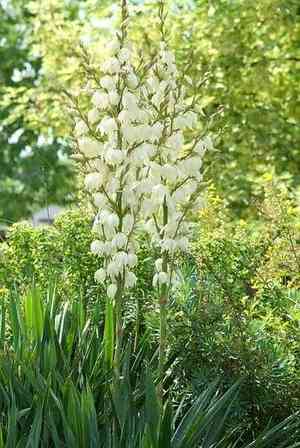
When incorporating plants into your landscape scheme, understanding their visual impact is crucial. Yucca filamentosa stands out with its evergreen leaves, featuring sharp, blade-like forms that can extend up to two feet. These leaves often display delicate, thread-like filaments, adding an extra layer of texture. From late spring to early summer, Yucca filamentosa produces tall flower stalks, reaching up to eight feet, adorned with clusters of creamy white, bell-shaped blossoms. This impressive floral display not only attracts pollinators like bees and butterflies but also introduces vertical interest to your landscape. Its unique shape and color effectively contrast with other garden plants, making Yucca filamentosa a versatile addition to any garden setting.
Design Concepts for Integrating Yucca filamentosa in Outdoor Areas
Establishing focal points using Yucca filamentosa
Creating focal points in your garden can direct the observer's gaze and foster a sense of order and harmony. Yucca filamentosa serves as an excellent focal point due to its architectural structure and striking appearance. Position Yucca filamentosa at the center of a garden bed or in a prominent corner of your yard where its tall flower stalks and distinctive leaves can command attention. For an even more dramatic effect, consider planting Yucca filamentosa in large containers and placing them at entrances or along pathways. The combination of its height and visual appeal will naturally draw the eye, creating a stunning focal point that enhances your overall landscape design.
Pairing Yucca filamentosa with other plants for a unified aesthetic
Combining Yucca filamentosa with other plants can result in a cohesive and visually pleasing garden. Given its unique form and evergreen nature, Yucca filamentosa complements a variety of other plants well. Consider pairing Yucca filamentosa with ornamental grasses, which enhance its spiky foliage and introduce movement to your garden. Perennials and flowering shrubs that bloom at different times can provide continuous color and interest throughout the year. For a harmonious look, select plants with similar water and sunlight requirements. Group Yucca filamentosa with drought-tolerant companions such as lavender, sage, or coreopsis to create a low-maintenance, water-wise garden that thrives in diverse conditions.
Border and edging concepts utilizing Yucca filamentosa
Borders and edges are vital elements of a well-designed garden. Yucca filamentosa can be effectively employed to define borders and create natural edging for garden beds and pathways. Its robust form and structured growth habit make it an ideal candidate for lining driveways, walkways, or the perimeters of garden plots. Plant Yucca filamentosa in an alternating or staggered pattern along edges to establish a pleasing, undulating rhythm. This will not only delineate spaces but also add an element of visual interest. For a softer look, combine Yucca filamentosa with low-growing groundcovers or flowering border plants, creating a layered effect that enhances the visual depth and appeal of your landscape.
Practical Advice for Planting and Positioning Yucca filamentosa
Optimal locations for planting Yucca filamentosa for robust growth
Knowing where to plant Yucca filamentosa is critical for its success in your garden. Yucca filamentosa thrives best in full sun, as it requires ample light to support its growth and flowering. Seek out areas in your yard that receive at least six hours of direct sunlight daily. Additionally, Yucca filamentosa prefers well-draining soil and can tolerate sandy or rocky substrates, making it perfect for challenging growing conditions. Avoid low-lying areas or spots where water tends to accumulate, as excessively wet conditions can lead to root rot. If you have a sloped area or raised garden bed, consider planting Yucca filamentosa there to ensure optimal drainage and healthier growth.
Spacing and grouping methods for Yucca filamentosa
Proper spacing is essential when planting Yucca filamentosa to ensure each plant has sufficient room to grow and develop fully. Depending on your garden's size, space individual Yucca filamentosa plants at least two to three feet apart to allow their leaves to spread without crowding adjacent plants. For a more natural appearance, plant Yucca filamentosa in small clusters or groups rather than straight lines. Grouping three to five plants together can create a more organic look and highlight their natural beauty. Furthermore, consider the mature size of Yucca filamentosa when planning your garden layout. By providing enough space for each plant to flourish, you can prevent overcrowding and reduce competition for water and nutrients.
Maintaining Yucca filamentosa in Your Landscape
Basic care requirements for Yucca filamentosa
Maintaining Yucca filamentosa is relatively simple, making it a favorite among gardeners seeking low-maintenance plants. During its establishment phase, water Yucca filamentosa regularly to help it develop a strong root system. Once established, it is highly drought-tolerant and requires minimal watering, making it suitable for dry and arid climates. Prune dead or damaged leaves as needed to keep the plant looking its best. Additionally, remove spent flower stalks to encourage new growth and maintain the plant's overall appearance. Since Yucca filamentosa is not prone to many pests or diseases, it requires little intervention, allowing you to enjoy its beauty without constant upkeep.
Seasonal care guidelines for Yucca filamentosa
While Yucca filamentosa generally requires minimal care, some seasonal maintenance can help it thrive year-round. In the spring, apply a balanced, slow-release fertilizer to support new growth and enhance flowering. During the hot summer months, monitor the soil moisture and water deeply if necessary, especially during prolonged dry spells. In the fall, remove any dead leaves and debris from around the base of the plant to prevent pests and diseases. Lastly, prepare Yucca filamentosa for winter by adding a layer of mulch around the base to protect its roots from freezing temperatures. This extra layer of insulation can help Yucca filamentosa survive even the harshest winter conditions, ensuring it returns healthy and vibrant in the spring.
Highlighting Yucca filamentosa in Various Landscape Styles
Integrating Yucca filamentosa in formal garden designs
Formal garden designs are characterized by symmetrical layouts, defined geometric shapes, and a sense of order. Yucca filamentosa can be an excellent addition to such landscapes due to its structured growth and bold appearance. Use Yucca filamentosa to create symmetrical patterns along pathways or as a central feature in a formal garden bed. Its tall flower spikes and rigid leaves provide a strong vertical element that complements the clean lines and precise geometry of formal gardens. Additionally, consider planting Yucca filamentosa in pairs or rows to enhance the symmetrical and balanced look typical of formal garden designs.
Casual and cottage-style landscapes featuring Yucca filamentosa
Casual and cottage-style gardens emphasize a more relaxed and informal approach to gardening. In these landscapes, Yucca filamentosa can add an interesting contrast with its bold form and unique texture. Pair Yucca filamentosa with soft, billowing perennials and colorful annuals to create a lush, inviting space. Its evergreen foliage provides a consistent backdrop that highlights the seasonal changes and vibrant blooms of surrounding plants. Scatter Yucca filamentosa throughout the garden or use it as an anchor in mixed borders to create a natural, free-flowing appearance. Its adaptability and low-maintenance nature make Yucca filamentosa a perfect fit for casual and cottage-style gardens, where it can thrive with minimal effort.



