Enhancing Your Garden Design with the Strawflower Plant: A Landscaping Guide
1
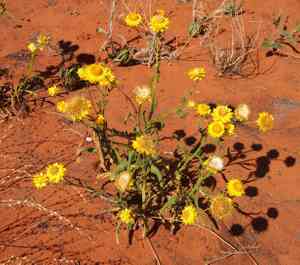
Strawflower adapts well to diverse garden environments.
2
By leveraging seasonal changes, Strawflower provides continuous aesthetic appeal.
3
Accompanying plants can accentuate and enhance Strawflower's vivid hues.
Introducing Strawflower in Garden Design
Grasping Strawflower's function in garden aesthetics
Strawflower plays a key part in garden aesthetics due to its vivid hues and enduring blossoms. Its distinct look can be the cornerstone of a well-planned garden, offering both visual appeal and structural variety. With its capacity to retain color and shape even when dried, designers and gardeners can utilize Strawflower for a lively and lasting beauty. Incorporating Strawflower into garden layouts boosts not only charm but also diversity, making it an excellent choice for both new and seasoned gardeners.
Strawflower's visual effect across different seasons
Strawflower's visual impact shifts with the seasons, providing year-round allure. In spring and summer, its bright and cheerful flowers are a highlight, attracting pollinators and bringing vitality to the garden. As seasons change, Strawflower keeps its form, adding a rustic charm to autumn displays. Even in winter, the dried bracts of Strawflower can offer texture and interest, creating an ever-changing garden landscape.
Color Harmony with Strawflower
Picking complementary shades for a unified appearance
When designing a garden with Strawflower, it's vital to consider complementary colors to achieve a cohesive look. Pairing Strawflower's vibrant tones with hues from the opposite side of the color wheel can create striking visual contrasts. For instance, using cool shades like blues or purples alongside Strawflower's warm colors can make each plant stand out. Additionally, neutral tones like white or green can be used to balance and unify the garden palette.
Examples of color schemes that pair well with Strawflower
Certain color combinations work exceptionally well with Strawflower. For a fiery, energetic garden, consider combining Strawflower with plants in orange, red, and yellow tones. For a more calming and elegant appearance, pair Strawflower with blue salvias or lavender. Mixing it with green foliage plants can also provide a refreshing contrast, creating a serene setting while highlighting Strawflower's dynamic presence. Experimenting with different palettes can help you find the perfect combination for your garden's theme.
Placing Strawflower for Best Impact
Optimal garden spots for planting Strawflower
Positioning Strawflower correctly in your garden ensures it has the greatest visual impact. Plant Strawflower in sunny locations where it can flourish and display its bright colors prominently. Consider placing it at the front of borders or along pathways to draw attention and guide visitors through the garden. Grouping several Strawflower plants together can create a bold and eye-catching display that is sure to be the highlight of your garden.
How to use Strawflower as a focal point or background element
Using Strawflower as a focal point or in the background can alter how your garden is perceived. As a focal point, plant Strawflower in strategic locations where its vivid blooms can draw the eye and create a statement piece. Alternatively, use Strawflower in the background to provide a colorful backdrop against which other plants can stand out. Its versatility allows it to serve multiple roles in the garden, making it a valuable addition to any landscape design.
Seasonal Considerations for Strawflower
Best times of year to plant Strawflower for peak flowering
To achieve the most spectacular blooms, consider the optimal planting times for Strawflower. Planting in early spring, when the soil begins to warm, allows Strawflower to establish itself and bloom by late spring or early summer. Depending on your climate, autumn planting can also be beneficial, giving the plant a head start for the next growing season. Ensuring Strawflower is planted during its preferred seasons will maximize its blooming potential and visual impact.
Adapting your landscaping approach according to the seasons
Adjusting your landscape approach with Strawflower according to the seasons ensures continued visual interest in your garden. In spring and summer, focus on vibrant and fresh planting arrangements. As fall approaches, consider incorporating dried Strawflower into wreaths or autumnal displays, taking advantage of its lasting color. In winter, use Strawflower artfully in dried arrangements or as part of indoor decor, keeping your garden aesthetic lively throughout the year.
Complementary Plants for Strawflower
Choosing companion plants that enhance Strawflower's beauty
Choosing the right companion plants is crucial for showcasing Strawflower's beauty. Consider plants that have complementary growth habits and bloom times, ensuring a continuous display of color. Herbs like rosemary or lavender can be excellent companions, offering both visual contrast and aromatic benefits. Taller plants can also act as a backdrop, enhancing the visual interest and depth of your garden.
Strategies for varied and lively plant arrangements
Creating diverse and vibrant plant arrangements with Strawflower involves layering plants of varying heights and textures. Mixing annuals and perennials can provide different blooming periods, keeping your garden vibrant year-round. Utilize Strawflower alongside grasses or succulents to add texture and diversity. By integrating a variety of plants, you create a dynamic and engaging garden that continually evolves and captivates attention.



