Enhancing Your Garden Design with the Chinese chaste tree Plant: A Landscaping Guide
1
The Chinese chaste tree adapts well to diverse soil conditions, offering flexibility for various garden environments.
2
This tree's changing seasonal hues provide continuous aesthetic appeal throughout the year.
3
Chinese chaste tree draws in beneficial pollinators such as bees and butterflies, enhancing garden ecological diversity.
Appreciating the Visual Charm of Chinese Chaste Tree
The distinctive leaves and hue of Chinese chaste tree
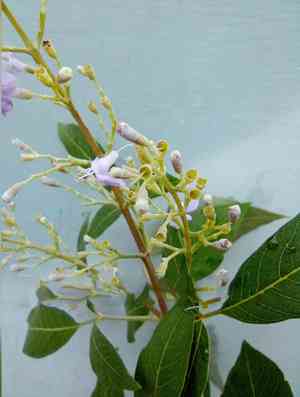
A prominent characteristic of Chinese chaste tree is its unique foliage, which displays a calming green shade. The plant's leaves are finely divided, giving it a delicate, textured look. Their color and texture can offer a striking contrast to other plants in your garden, making your landscape appear more vibrant and rich. Furthermore, the subtle silvery tint on the leaf undersides adds a distinct visual element that can capture and reflect sunlight, creating an eye-catching shimmering effect.
Seasonal transformations and their aesthetic influence
Chinese chaste tree undergoes notable changes throughout the year, which can introduce dynamic elements to your garden. During spring and summer, its lush green leaves provide a refreshing and lively backdrop. As autumn approaches, the foliage shifts to yellow and brown tones, offering a warm and inviting atmosphere. Understanding these seasonal shifts allows you to plan your gardening activities accordingly, ensuring your landscape always looks its best, regardless of the season.
Blossoming patterns and their contribution to garden beauty
Chinese chaste tree is well-known for its flowering cycle, producing clusters of small purple or blue blooms. These flowers typically appear from late spring to early summer, adding a burst of color to your garden. The blooming phase not only enhances visual appeal but also attracts pollinators like bees and butterflies, contributing to the overall health of your garden. Timing the flowering period to coincide with other blooming plants can create a stunning, multi-layered aesthetic that boosts the overall charm of your landscape.
Integrating Chinese Chaste Tree into Various Landscape Designs
Traditional garden settings and the function of Chinese chaste tree
In traditional garden environments, Chinese chaste tree can serve as an excellent focal point or background plant. Its robust structure and rich color palette make it a perfect match for classic garden themes. You can plant Chinese chaste tree alongside roses, peonies, and other traditional blooms to create a timeless, elegant appearance. The plant’s adaptability allows it to blend seamlessly into formal garden designs, enhancing the overall aesthetic with minimal effort.
Modern landscapes and utilizing Chinese chaste tree for a contemporary feel
For modern landscapes, where simplicity and clean lines are paramount, Chinese chaste tree can be employed to add a touch of sophistication and texture without overwhelming the space. Plant Chinese chaste tree in neat rows or geometric patterns to maintain a sleek, contemporary look. Pair it with ornamental grasses, succulents, and other modern plants to create a balanced and stylish garden that reflects current tastes. The structure and foliage of Chinese chaste tree align well with modern design principles, ensuring your landscape remains fashionable.
Cottage gardens: Incorporating Chinese chaste tree for rustic appeal
Integrating Chinese chaste tree into a cottage garden can enhance its rustic charm. This plant complements the informal, relaxed feel of cottage gardens with its natural beauty and ease of care. Mix Chinese chaste tree with other cottage garden staples like lavender, daisies, and foxgloves to create a whimsical and inviting space. The natural, somewhat wild appearance of Chinese chaste tree fits perfectly within the cottage garden aesthetic, making your garden look effortlessly beautiful and vibrant.
Practical Advice for Planting and Positioning Chinese Chaste Tree
Choosing the optimal garden spot for ideal growth
Selecting the perfect location for planting Chinese chaste tree is vital for its development and overall impact on your garden. This plant thrives best in well-drained soil with abundant sunlight, though it can tolerate partial shade. Ensure the chosen spot allows ample room for the plant to reach its full size, and consider how it fits with your garden's overall design. Proper site selection guarantees that Chinese chaste tree grows healthily and positively contributes to your landscape's beauty.
Pairing Chinese chaste tree with complementary flora
To maximize the visual appeal of Chinese chaste tree, combine it with plants that complement its color and texture. Consider pairing Chinese chaste tree with flowering shrubs, perennials, and ground covers that offer contrasting colors and forms. This approach highlights Chinese chaste tree’s unique features while creating a balanced and cohesive garden design. Thoughtful plant pairings can accentuate the best aspects of Chinese chaste tree and make your entire garden more visually engaging.
Spacing and grouping considerations for visual balance
Appropriate spacing is crucial when planting Chinese chaste tree to ensure each plant has sufficient room to grow and thrive. Grouping Chinese chaste tree in odd numbers, such as clusters of three or five, can create a visually pleasing and naturalistic effect. Additionally, avoid overcrowding plants to reduce competition for resources and to maintain a neat, uncluttered appearance. Careful spacing and grouping can enhance visual harmony and make your landscape more aesthetically pleasing.
Long-Term Care Strategies for Chinese Chaste Tree
Basic maintenance tips to preserve health and beauty
Maintaining Chinese chaste tree requires fundamental but consistent care. Regular watering, especially during dry spells, ensures the plant stays healthy. Mulching around the base can help retain moisture and suppress weeds. Furthermore, periodic fertilization with a balanced, slow-release fertilizer can boost growth and flowering. Implementing these basic upkeep tips ensures that Chinese chaste tree remains a vibrant and attractive part of your garden year-round.
Seasonal care adjustments for Chinese chaste tree
Adjusting your care routine according to the season is essential for the health of Chinese chaste tree. In spring, pruning can help shape the plant and encourage new growth. During the hot summer months, more frequent watering may be necessary to combat heat stress. As autumn arrives, reducing watering and fertilization prepares Chinese chaste tree for its dormant phase in winter. Understanding seasonal care adjustments can help you maintain the plant’s health and beauty throughout the year.
Managing growth and form over time
To manage the growth and shape of Chinese chaste tree, regular pruning is vital. Prune in early spring before new growth begins, focusing on removing dead or damaged branches and shaping the plant as desired. Over time, this practice encourages a more compact and aesthetically pleasing form. Additionally, thinning out crowded branches can improve air circulation and reduce the risk of disease. Effective management of growth and shape ensures that Chinese chaste tree remains a well-groomed and attractive feature in your garden.
Impact of Chinese Chaste Tree on Biodiversity and Ecosystem Well-being
Attracting local fauna with Chinese chaste tree
Chinese chaste tree is a magnet for local wildlife, including bees, butterflies, and birds. Its flowers provide nectar for pollinators, while its foliage offers shelter and food for various insects. By planting Chinese chaste tree in your garden, you can create a bustling mini-ecosystem that supports local biodiversity. This not only enhances the ecological value of your garden but also adds an element of natural beauty with the presence of diverse wildlife.
Contributions of Chinese chaste tree to local ecological equilibrium
Chinese chaste tree plays a significant role in maintaining ecological balance. It can help prevent soil erosion with its strong root system and improve soil fertility through leaf litter decomposition. Moreover, by attracting pollinators, Chinese chaste tree supports the reproductive processes of other plants in your garden, fostering a healthy and balanced ecosystem. These contributions make Chinese chaste tree a valuable addition to any environmentally-conscious landscape design.
The role of Chinese chaste tree in sustainable landscaping practices
Incorporating Chinese chaste tree into your landscape aligns with sustainable gardening practices. This plant is relatively low-maintenance and drought-tolerant, reducing the need for extensive watering and chemical inputs. By choosing Chinese chaste tree, you support sustainability through resource conservation and by fostering local biodiversity. Its adaptability to different soil types and conditions further enhances its role in sustainable landscaping, making it a wise choice for eco-friendly gardeners.



