Enhancing Your Garden Design with the Common blue violet Plant: A Landscaping Guide
1
The common blue violet provides both visual appeal and ecological advantages.
2
Strategic positioning and combining with suitable companion plants improve the attractiveness of the common blue violet.
3
Regular upkeep is essential for maintaining the common blue violet's vigor and well-being.
Grasping the Function of Common blue violet in Outdoor Spaces
What Makes Common blue violet a Preferred Option for Landscaping?
When designing a garden, choosing plants that not only thrive but also add significant beauty is key. Common blue violet is a favored selection among both amateur and professional landscapers due to its resilient nature and minimal upkeep needs. Furthermore, Common blue violet produces striking blossoms that can elevate any garden's visual appeal.
Exploring the Aesthetic Charm of Common blue violet
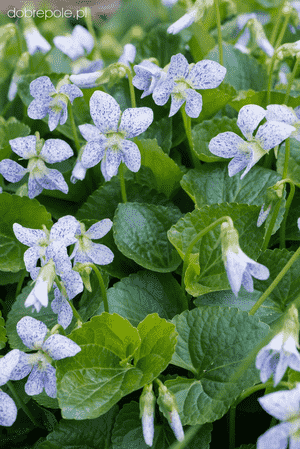
Common blue violet offers a distinct aesthetic appeal, introducing a burst of gentle violet tones to your garden. Its delicate flowers beautifully contrast with lush green leaves, making them a prime choice for adding visual interest. Whether utilized as a ground cover or a border plant, the charming look of Common blue violet ensures it stands out in any environment.
The Ecological Advantages of Cultivating Common blue violet
Beyond its beauty, Common blue violet positively impacts the environment. This plant attracts pollinators such as bees and butterflies, strengthening the local ecosystem. Its robust nature also helps prevent soil erosion and retains moisture, making it an excellent sustainable option for environmentally conscious gardeners.
Integrating Common blue violet into Your Garden Layout
Selecting the Optimal Spot for Common blue violet
Choosing the right location for Common blue violet is vital for its growth and the overall harmony of your garden. This plant prefers partial shade to full sun, making it adaptable for various garden areas. Ensure the soil drains well to prevent waterlogging and promote healthy roots.
Pairing Common blue violet with Other Flora
For a unified garden design, combine Common blue violet with plants that share similar light and water requirements. Consider pairing it with ferns or hostas for a rich, textured appearance or with other vibrant perennials to create a lively floral display. Effective plant combinations can enhance the garden's visual appeal and ensure a flourishing ecosystem.
Seasonal Considerations for Common blue violet
Understanding the seasonal needs of Common blue violet is crucial for maintaining its beauty throughout the year. Common blue violet typically blooms in spring and can maintain healthy foliage through summer and fall. As winter approaches, applying mulch can shield the roots from harsh conditions, ensuring the plant's return in spring.
Care Guidelines for Common blue violet in Gardens
Fundamental Care Requirements for Common blue violet
Like all plants, Common blue violet needs some attention to flourish. Regular watering, especially during dry periods, is essential; however, avoid overwatering to prevent root rot. Occasional trimming of spent flowers and leaves helps the plant maintain a tidy appearance and encourages new growth.
Addressing Common Issues
While Common blue violet is relatively low-maintenance, it can encounter challenges like pests or diseases. Watch out for common problems such as aphid infestations or fungal diseases. Applying organic pest control solutions and ensuring good air circulation around the plants can alleviate these issues.
Innovative Concepts for Utilizing Common blue violet in Landscape Design
Crafting Vibrant Edges with Common blue violet
Common blue violet can be effectively used to create attractive borders along pathways and garden beds. The vivid blooms contrast beautifully with green hedges or grass, providing a colorful outline that guides visitors' eyes through your garden.
Creative Approaches to Featuring Common blue violet in Compact Areas
For those with limited garden space, Common blue violet can still make a significant impact. Plant them in containers or hanging baskets to add a touch of elegance to patios and balconies. Their small size and appealing flowers make them an excellent choice for small space gardening.
Employing Common blue violet as Ground Cover
Common blue violet also serves as an excellent ground cover, filling in gaps between larger plants and creating a carpet of beautiful foliage and flowers. This not only enhances the garden's aesthetic but also helps suppress weeds and retain soil moisture.



