Enhancing Your Garden Design with the Downy Yellow Violet Plant: A Landscaping Guide
1
The Downy Yellow Violet offers a distinctive aesthetic that enhances any space.
2
Optimal growth occurs in locations with partial shade.
3
Proper timing for planting Downy Yellow Violet guarantees vivid flowering.
Introducing Downy Yellow Violet for Landscape Design
Grasping the distinct features of Downy Yellow Violet
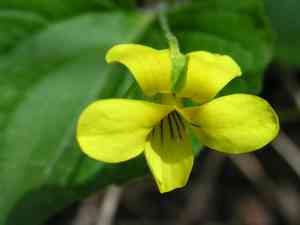
When choosing plants for your outdoor space, grasping their distinct features is crucial. Downy Yellow Violet, known for its vivid yellow blossoms, offers exceptional visual appeal. The plant stands out due to its fuzzy leaves and delicate petals, making it an excellent option for gardeners aiming to add a touch of elegance to their outdoor areas. Its low-growing habit makes Downy Yellow Violet suitable for ground cover, providing both aesthetic and practical advantages. Its ability to flourish in various soil types and its minimal upkeep requirements further highlight why it's a favorite among garden enthusiasts.
Why Downy Yellow Violet is a prime selection for garden designers
Garden designers often prefer Downy Yellow Violet for several reasons: its adaptability, beauty, and resilience. This plant can easily fit into diverse garden layouts, whether you have a formal garden or a more relaxed, natural setting. The bright yellow flowers of Downy Yellow Violet bloom in early spring, adding a cheerful touch to your garden when many other plants are just beginning to awaken. Furthermore, Downy Yellow Violet is known for attracting beneficial pollinators such as bees and butterflies, contributing to a healthy garden ecosystem. The combination of these benefits makes Downy Yellow Violet a versatile and valuable addition to any landscape design.
Strategic Placement of Downy Yellow Violet in Garden Designs
Ideal spots for planting Downy Yellow Violet to maximize visual impact
Choosing the right spot to plant Downy Yellow Violet is crucial for maximizing its visual impact. This plant thrives in partially shaded areas, making it an ideal choice for under trees or along shaded garden paths. By placing Downy Yellow Violet in spots where it can receive filtered sunlight, you ensure that its blooms will be vibrant and plentiful. Consider creating groupings of Downy Yellow Violet to make a bold visual statement or using it along borders to define garden spaces. Its bright yellow flowers can act as a focal point, drawing the eye and enhancing the overall aesthetics of your garden.
How to utilize Downy Yellow Violet to complement other garden elements
Integrating Downy Yellow Violet with other garden elements can create a harmonious and visually appealing landscape. Pair it with plants that have contrasting colors and textures, such as ferns or hostas, to create a dynamic and interesting garden design. The soft, delicate flowers of Downy Yellow Violet can balance out larger, more robust plants, providing a sense of depth and diversity. Additionally, Downy Yellow Violet works well alongside pathways and garden edging, creating a natural flow and guiding visitors through your garden. This strategic pairing and placement ensure that Downy Yellow Violet not only stands out on its own but also enhances the beauty of the entire garden.
Seasonal Considerations for Downy Yellow Violet
Optimal times of the year to plant Downy Yellow Violet
Timing is everything when it comes to planting Downy Yellow Violet to ensure robust growth and vibrant blooms. The best time to plant Downy Yellow Violet is in early spring or fall when the soil is moist and temperatures are moderate. These conditions allow the plant to establish its roots before the temperature extremes of summer or winter. Planting in the spring ensures that Downy Yellow Violet has ample time to grow and blossom during the prime growing season, providing a stunning display of yellow flowers. Alternatively, fall planting takes advantage of the cool, moist conditions for root development, ensuring a strong start for the following spring.
How Downy Yellow Violet changes throughout the seasons
Understanding how Downy Yellow Violet changes throughout the seasons can help you plan your garden layout effectively. In spring, Downy Yellow Violet emerges with its bright yellow blooms that can last several weeks, bringing early vibrancy to your garden. As summer approaches, the foliage remains lush, providing continuous greenery even after the blooms fade. During fall, the leaves may exhibit a subtle change in color before going dormant in winter, where the plant conserves energy for the next growing season. By recognizing these seasonal transitions, you can combine Downy Yellow Violet with other plants to ensure year-round interest and beauty in your garden.
FAQs: Incorporating Downy Yellow Violet in Your Landscape
How quickly can you expect Downy Yellow Violet to bloom?
After planting Downy Yellow Violet, you can generally expect to see blooms within the first year if planted in optimal conditions. When planted in early spring, blooms typically appear in late spring to early summer. The exact timing can vary based on local climate and soil conditions, but with proper care, Downy Yellow Violet often rewards gardeners with its cheerful yellow flowers relatively quickly. Regular watering and adequate sunlight are key to promoting healthy growth and timely blooming.
Can Downy Yellow Violet flourish in shaded environments?
Yes, Downy Yellow Violet can flourish in shaded environments, particularly in spots that receive partial or dappled sunlight. While it does well in full sun, it is ideally suited for areas under the canopy of trees or along shaded garden borders. These conditions mimic its natural woodland habitat, allowing it to thrive with minimal direct sunlight. However, providing some morning sun or light shade can bolster its growth and flowering, ensuring a vibrant addition to your garden's shaded areas.



