Enhancing Your Garden Design with the Labrador violet Plant: A Landscaping Guide
1
Labrador violet offers a distinct blend of vivid hues and varied textures, ideal for an attractive outdoor space.
2
Adding Labrador violet to your garden plan aids local environments and fosters a variety of life forms.
3
Labrador violet requires minimal upkeep, making it appropriate for both beginner and seasoned plant enthusiasts.
An Introduction to Labrador Violet in Garden Design
Understanding the distinctive visual characteristics of Labrador violet
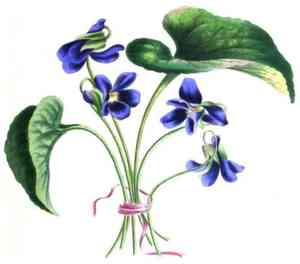
The striking appearance of Labrador violet is often the first thing one notices. This plant showcases vivid, purplish-violet blossoms that can introduce a burst of color to any garden. Its lush, heart-shaped foliage offers an appealing green contrast, making the colors stand out even more. These aesthetic qualities render Labrador violet a versatile option, whether you're crafting a classic garden setting or a more contemporary landscape. Its compact size and dense growth habit also allow it to efficiently fill spaces, creating a rich, unified look.
The ecological advantages of integrating Labrador violet into your garden
Labrador violet provides more than just visual appeal; it also offers significant environmental benefits. As a native species, this plant serves as an excellent ground cover, preventing soil erosion. Furthermore, Labrador violet supplies nectar and habitat for pollinators like bees and butterflies, fostering a thriving local ecosystem. By incorporating Labrador violet into your garden, you're not only enhancing its beauty but also supporting biodiversity and sustainable gardening practices.
Design Principles Utilizing Labrador Violet
Achieving balance in color and texture with Labrador violet
In landscaping, balance is crucial. Labrador violet excels in this area by providing a mix of vibrant color and interesting texture. Combining the purple tones of Labrador violet's flowers with its green leaves adds layered visual interest, making your garden more captivating. Consider positioning Labrador violet around taller, less colorful plants to emphasize its unique vibrancy. You can also interplant it with other species that have varying leaf textures to create a more visually engaging landscape.
Incorporating Labrador violet as a ground cover
One of the most effective uses of Labrador violet in landscaping is as a ground cover. Its low-growing, spreading nature makes it ideal for quickly covering large areas. This application is excellent for inhibiting weed growth and reducing soil erosion. For optimal results, plant Labrador violet in clusters and allow it to spread naturally over time. Its resilient character means it will adapt well to diverse soil conditions, making it an easy-care choice for extensive ground coverage.
Creating focal points with Labrador violet
Although Labrador violet is frequently used as ground cover, it can also serve as a stunning focal point in your garden. Plant it in prominent spots where its vibrant flowers can be admired up close. Utilizing Labrador violet in container gardens or as an edging plant along pathways can draw attention and highlight specific areas of your landscape. When used thoughtfully, Labrador violet can act as a visual anchor around which the rest of your garden design can revolve.
Planning Your Landscape with Labrador Violet
Selecting the appropriate site for Labrador violet in your landscape
Choosing the perfect location for Labrador violet in your garden is vital for its growth and aesthetic impact. Labrador violet thrives best in well-drained soil and areas with partial to full shade. Avoid spots with excessive direct sunlight, as this can stress the plant and lead to reduced flowering. Consider planting Labrador violet along the north or east sides of your property where it will receive adequate light without being exposed to harsh sun. This placement will help the plant flourish and reward you with colorful blooms.
Pairing Labrador violet with other plant species
To maximize your garden's visual appeal, combine Labrador violet with plants that complement its colors and textures. Consider grouping it with other shade-loving plants such as ferns, hostas, or astilbes. These companions not only create a fuller, more dynamic garden appearance but also share similar growing conditions, simplifying maintenance. For a contrasting effect, intersperse Labrador violet with plants that have light-colored or variegated foliage.
Maintenance Guidelines for Labrador Violet in Landscaping
Basic care and seasonal upkeep
Labrador violet is a relatively low-maintenance plant, but it still benefits from some fundamental care. Consistent watering is crucial, especially during dry periods, to keep the soil moist but not waterlogged. In the spring, consider applying a balanced fertilizer to encourage vigorous growth. Mulching around the base can help retain soil moisture and keep the roots cool. Additionally, removing any dead or damaged leaves will keep the plant healthy and looking its best.
Managing growth and expansion
While Labrador violet is not invasive, it does spread steadily, so regular monitoring is a good practice. Pruning back the runners can help control its spread and maintain the desired shape of your planting area. If the plant begins to outgrow its space, it's simple to dig up some sections and transplant them to other parts of your garden or share them with fellow gardeners. By managing its growth, you can ensure that Labrador violet enhances your landscape without overwhelming other plants.



