Enhancing Your Garden Design with the Common periwinkle Plant: A Landscaping Guide
1
Vinca minor is an easy-care groundcover, ideal for edging and walkways.
2
It flourishes in sunny or shady conditions, offering flexibility for diverse garden areas.
3
Vinca minor assists in preventing soil loss and benefits native fauna.
Understanding the Role of Vinca minor in Landscaping
Visual appeal and aesthetic continuity
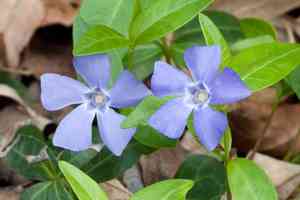
A key attribute of Vinca minor is its visual charm. Its lustrous green foliage and appealing blue blossoms can establish visual coherence in your garden. By forming a thick ground cover over exposed soil, Vinca minor offers a rich, green backdrop that enhances the beauty of nearby plants. This groundcover can produce striking visual effects, giving your garden a unified and orderly appearance.
Integration with other plant types
Combining Vinca minor with diverse plant varieties can introduce depth and texture to your garden. It pairs well with taller plants and shrubs, complementing their height with its low-growing habit. Furthermore, Vinca minor can be utilized to fill gaps between other flowering plants, creating a smooth transition and preserving visual harmony. This mix of plants can accentuate the characteristics of each species, ensuring a well-rounded garden aesthetic.
Choosing the Right Placement for Vinca minor
Analyzing sun exposure and shade patterns
Grasping the sun exposure and shade patterns in your garden is vital when positioning Vinca minor. This resilient plant thrives in various conditions, from full sun to partial shade. To optimize growth and visual impact, it's crucial to map out areas receiving different sunlight levels. By strategically placing Vinca minor where it can flourish, you ensure vigorous growth and continuous ground cover throughout the year.
Conveying depth and creating focal points
The placement of Vinca minor can also help convey depth and establish focal points in your garden. Planting it around the base of trees or along the edges of flower beds can draw the eye and create intriguing visual layers. Additionally, using Vinca minor to soften the corners of hardscape elements like pathways or patios can naturally guide visitors through different garden areas, enhancing the overall landscape experience.
Maintaining Aesthetic Value Over Time
Managing growth and controlling spread
Vinca minor is known for its vigorous growth, which can be both an advantage and a challenge. Regular upkeep, such as trimming and thinning out dense patches, ensures that Vinca minor doesn't overshadow other plants or invade undesirable areas. Proper management prevents the plant from becoming too aggressive and helps maintain a neat garden appearance year-round.
Seasonal consideration for lasting impact
To keep Vinca minor at its visual best, consider its seasonal characteristics. It's crucial to monitor the plant's health and appearance throughout the year, taking action as needed to address seasonal changes. This might involve extra watering during dry months or adjusting trimming schedules during peak growth periods. Attention to these details ensures that Vinca minor remains a charming element in your garden through all seasons.
Incorporating Vinca minor with Hardscape Elements
Complementing pathways and borders
Vinca minor is excellent for complementing pathways and borders, adding a touch of greenery that softens hard lines and creates natural harmony. Its trailing vines can frame garden paths, providing a picturesque route through your outdoor space. Additionally, Vinca minor can be used on borders to clearly define garden edges, contributing to an organized and elegant landscape design.
Enhancing patios and garden walls
Patios and garden walls can often appear stark, but Vinca minor can transform these spaces into verdant retreats. Planting Vinca minor around these hardscape features can soften their appearance, making them more inviting. As Vinca minor grows, it cascades gracefully over walls and stones, blending natural and constructed elements seamlessly. This integration enhances both aesthetic appeal and the soothing atmosphere of your garden.
Achieving Eco-Friendly Landscaping with Vinca minor
Supporting local wildlife and biodiversity
Incorporating Vinca minor into your landscape can significantly support local wildlife and biodiversity. This plant provides habitat and food sources for various insects and small creatures. By incorporating Vinca minor, you create a more balanced ecosystem, encouraging beneficial wildlife that can aid in natural pest control and pollination within your garden.
Using Vinca minor for soil erosion control
Vinca minor is highly effective in controlling soil erosion due to its dense growth habit. Planting it on slopes or areas prone to erosion helps stabilize the soil, preventing runoff and degradation. This not only protects your landscape but also contributes to environmental conservation by maintaining healthy soil structures and reducing sedimentation in local waterways.



