Enhancing Your Garden Design with the Japanese snowball Plant: A Landscaping Guide
1
Japanese snowball provides vivid seasonal color shifts, boosting your garden's aesthetic charm throughout the year.
2
Japanese snowball fits diverse landscape aesthetics, ranging from structured to modern layouts.
3
Pairing plants with Japanese snowball helps create a harmonious and flourishing garden environment.
Grasping the Aesthetic Contribution of Japanese Snowball
Seasonal allure: Highlighting its flowering period
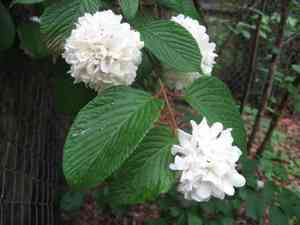
A prominent characteristic of Japanese snowball is its seasonal charm. In spring, Japanese snowball is adorned with clusters of abundant, white blooms that create a striking visual effect. These flowers not only add grace to your garden but also draw in pollinators, fostering a healthy and lively ecosystem. The blooming phase typically extends from late spring to early summer, offering a prolonged spectacle of beauty for all to appreciate.
Color shifts: How its hue transforms throughout the year
Japanese snowball is renowned for its captivating color changes over the course of the year. In spring and summer, its vibrant green foliage complements the white flowers. As the seasons advance into autumn, the leaves transition to a rich, reddish-brown, imparting a warm and inviting feel to your garden. These color alterations ensure that Japanese snowball remains a focal point in your landscape, providing visual appeal regardless of the season.
Growth habit: Understanding its dimensions and spread
When designing your landscape, it's vital to comprehend the growth pattern of Japanese snowball. Typically, Japanese snowball can reach a height of 8-15 feet with a similar width. Its horizontal branching and layered growth habit introduce a distinctive architectural element to your garden. Proper spacing is essential when planting Japanese snowball to allow it to achieve its full potential without crowding other plants. This knowledge aids in maintaining a balanced and harmonious garden.
Integrating Japanese Snowball into Various Landscape Designs
Formal gardens: Symmetry and structure with Japanese snowball
For those who prefer a formal garden style, Japanese snowball is an excellent fit due to its structured growth and symmetrical blooms. Positioning Japanese snowball along pathways or at the garden entrance can establish a grand and orderly appearance. Regular trimming helps maintain its form, contributing to the neat and organized aesthetics characteristic of formal gardens. Pairing Japanese snowball with other structured plants like boxwoods further enhances this refined style.
Cottage gardens: Japanese snowball for a charmingly rustic aesthetic
If you're aiming for a charmingly rustic look, Japanese snowball beautifully complements cottage gardens. Its natural shape, with cascading branches and seasonal flowers, adds a whimsical touch to the landscape. Combine Japanese snowball with perennials like lavender, hollyhocks, and roses for a timeless, enchanting effect. The foliage and blossoms of Japanese snowball enhance the informal and eclectic mix of colors and textures that define cottage gardens.
Contemporary landscaping: Utilizing Japanese snowball in modern schemes
In contemporary landscaping, Japanese snowball can function as both a focal point and a background element. Its clean lines and seasonal interest align well with modern design principles. Arrange Japanese snowball in minimalist patterns, perhaps alongside sleek hardscapes or water features, to create a serene and stylish garden. The contrast between Japanese snowball's organic forms and modern structural elements can be quite striking, making it a versatile option for contemporary landscapes.
Companion Planting with Japanese Snowball
Optimal companion plants for Japanese snowball and their benefits
Companion planting with Japanese snowball can enhance both the beauty and vitality of your garden. Ideal companions include plants with similar light and soil needs, such as hydrangeas, hostas, and ferns. These plants not only complement Japanese snowball's aesthetic but also help foster a balanced garden where all plants flourish. The varied textures and heights of these companion plants add depth and visual appeal.
Planning plant distances and arrangements
Correct spacing is crucial when planting Japanese snowball and its companions. Ensure ample room for each plant to mature without competing for resources. Typically, planting Japanese snowball 8-15 feet apart from other plants allows it to spread naturally. Layering plants based on their height can create a tiered effect, enhancing visual appeal and ensuring each plant receives adequate light and nutrients.
Maintaining balance and visual interest
To sustain a balanced and engaging garden, regularly assess the health and growth patterns of Japanese snowball and its companions. Prune Japanese snowball as needed to control its shape and encourage healthy development. Additionally, ensure that the color schemes and bloom times of your companion plants complement each other. This planning guarantees year-round interest and a dynamic, thriving garden.
Seasonal Care Guidelines for Japanese Snowball
Spring care routines for maximizing growth
Spring is the perfect time to give Japanese snowball a strong start for the growing season. Begin by pruning to remove any dead or damaged branches, which stimulates new growth. Apply a balanced fertilizer to provide essential nutrients and mulch around the base to retain moisture and suppress weeds. Consistent watering is also vital as Japanese snowball prepares to bloom.
Summer preparations for peak health
During summer, regular watering, especially in dry periods, helps Japanese snowball maintain its vigor. Monitor for pests and diseases, and address them promptly to prevent any harm. Deadheading spent flowers encourages extended blooming and maintains a neat appearance. A light pruning after the flowering season can also assist in shaping the plant and promoting future growth.
Winterizing Japanese Snowball: Protective measures
As winter approaches, prepare Japanese snowball for the colder months. Reduce watering as the plant enters dormancy, and apply a thick layer of mulch to shield the roots from freezing temperatures. Consider using burlap or other protective coverings for young or particularly vulnerable plants to guard them against harsh winter winds and frost. These steps ensure that Japanese snowball emerges healthy and vibrant in the spring.



