Enhancing Your Garden Design with the American Cranberry Bush Plant: A Landscaping Guide
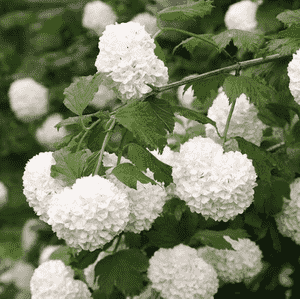
1
The American Cranberry Bush offers continuous aesthetic charm through its shifting seasonal hues.
2
The American Cranberry Bush provides sustenance for native fauna, fostering ecological diversity in your outdoor space.
3
Little upkeep is required for the American Cranberry Bush to flourish across diverse environmental conditions.
Introducing the American Cranberry Bush in Garden Planning
The aesthetic contribution of American Cranberry Bush to landscapes
For elevating your garden's natural allure, the American Cranberry Bush is an outstanding selection. Renowned for its vibrant green leaves in spring and summer, its crimson berries in autumn, and its striking bark in winter, this plant offers year-round visual appeal. It functions not merely as a common shrub but as a captivating visual element in any garden setting.
Brief overview of American Cranberry Bush's seasonal appeal
The American Cranberry Bush truly performs across all seasons. In spring, it produces creamy white blossoms that attract pollinators. Summer brings lush, green foliage, offering ample shade and a tranquil garden atmosphere. As fall approaches, its leaves transition to beautiful reds and oranges, complemented by clusters of red fruit. Even in winter, its bark provides textural interest, ensuring your garden remains engaging.
General adaptability across various climates
A key strength of the American Cranberry Bush is its ability to adapt to diverse climates and soil types. This resilient plant thrives in both full sun and partial shade, making it versatile for various garden placements. It tolerates a wide range of soil conditions, from well-drained to occasionally waterlogged, and can endure different temperature extremes, demonstrating its hardiness.
Strategic Placement of American Cranberry Bush in Your Garden
Considering light and shade requirements
To optimize the American Cranberry Bush's growth, consider its light and shade needs. While it can tolerate full sun, partial shade is often ideal, especially in warmer regions. Positioning it where it receives morning sun and afternoon shade can help it flourish and maintain its vibrant foliage.
Balancing American Cranberry Bush with other plants for design harmony
Achieving a balanced garden design involves harmonizing the American Cranberry Bush with other plant species. It pairs well with perennials and other shrubs, providing a backdrop that accentuates their colors and forms. When planning your garden, arrange it in groupings or as a solitary specimen to create dynamic focal points and enhance overall visual appeal.
Tips for maximizing seasonal visual impact
To truly highlight the American Cranberry Bush's seasonal charm, consider its surroundings and how it complements other plants throughout the year. In spring, placing it near flowering bulbs can create a rich tapestry of colors. During autumn, positioning it near evergreen shrubs can emphasize its rich, red foliage, creating a striking contrast. Plan your garden layout with these combinations in mind to enjoy a visually captivating landscape year-round.
Practical Advantages of Incorporating American Cranberry Bush in Landscapes
Natural habitat support for local wildlife
Including the American Cranberry Bush in your garden offers significant ecological benefits. Its flowers attract bees and butterflies, while its berries provide sustenance for birds and small mammals. By incorporating this plant, you support local wildlife, creating a miniature ecosystem in your backyard that benefits the environment.
Enhancing biodiversity with American Cranberry Bush
A garden featuring the American Cranberry Bush not only looks beautiful but also boosts biodiversity. This plant can serve as a vital component in a diverse garden by offering various layers of habitat. Its dense foliage provides nesting sites for birds, while its flowers and berries attract various pollinators and wildlife, contributing to a thriving garden ecosystem.
Erosion control and other environmental benefits
Beyond aesthetics and wildlife support, the American Cranberry Bush plays a crucial role in environmental preservation. Its robust root system helps prevent soil erosion, making it an excellent choice for sloped areas in your garden. Additionally, it can act as a windbreak, protecting other plants and creating a microclimate that enhances overall garden health.
Maintenance Guidelines for American Cranberry Bush in Your Landscape
Overview of minimal care requirements
The American Cranberry Bush is relatively low-maintenance, making it ideal for gardeners of all skill levels. It requires minimal watering once established, thanks to its drought-tolerant nature. Regular mulching helps retain soil moisture and suppress weeds, further reducing the need for frequent upkeep.
Periodic care routines to boost plant health
To keep the American Cranberry Bush in prime condition, periodic care routines are essential. Pruning after flowering helps maintain its shape and encourages vigorous growth. Fertilizing with a balanced, slow-release fertilizer in early spring provides the nutrients needed for abundant blooms and foliage. Regularly checking for pests and diseases ensures early intervention, promoting a healthy, thriving plant.
Creative Design Concepts Using American Cranberry Bush
Creating focal points with American Cranberry Bush
Utilizing the American Cranberry Bush as a focal point can transform any garden. Its robust form and seasonal changes make it a stunning centerpiece. Position it in a prominent location, such as the center of a garden bed or along a pathway, to draw attention and anchor your garden design.
Integrating American Cranberry Bush into themed gardens
Whether you're designing a cottage garden, a native plant garden, or a wildlife-friendly space, the American Cranberry Bush fits seamlessly into various themed gardens. Its adaptability makes it suitable for different garden styles, enhancing the theme with its natural beauty and ecological advantages.
Combining American Cranberry Bush with hardscaping elements
Integrating the American Cranberry Bush with hardscaping elements like stone pathways, garden benches, and water features can create a harmonious garden environment. The contrast between the organic forms of the plant and the solid lines of hardscaping elements adds depth and interest, making your garden a visually captivating space.



