Enhancing Your Garden Design with the Sweet viburnum Plant: A Landscaping Guide
1
Sweet viburnum flourishes in soil that drains well and receives plenty of sun.
2
Trimming Sweet viburnum assists in preserving its form and promotes robust development.
3
Combining Sweet viburnum with other flora can produce striking seasonal variations.
Introducing Sweet Viburnum in Landscape Design
Why is Sweet Viburnum a preferred choice for landscape architects?
Sweet viburnum is prized for its abundant leaves, aromatic blossoms, and adaptability in garden layouts. Its capacity to thrive in diverse soil types and weather conditions makes it a top pick for numerous landscape professionals. Furthermore, its year-round attractiveness ensures landscapes stay vibrant and visually pleasing across seasons. These attributes not only boost visual appeal but also offer practical benefits, such as serving as a natural screen or boundary.
Overview of Sweet Viburnum's features that enhance landscape beauty
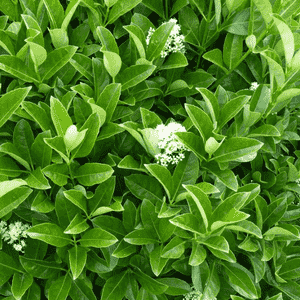
Sweet viburnum showcases shiny green leaves that offer a striking contrast to its white, fragrant flowers. In spring, it delivers a burst of blooms that draw pollinators like bees and butterflies, bringing vitality and movement to your garden. Its dense foliage can form lush backgrounds or stand alone as specimens. Additionally, the plant's height and spread are manageable, making it suitable for both small and large gardens. Overall, it's a visually appealing and scented addition that can transform any outdoor space.
Incorporating Sweet Viburnum into Your Landscape Plan
Getting Started: Optimal Planting Spots for Sweet Viburnum
Placement is crucial when planting Sweet viburnum. It flourishes best in well-drained soil and areas receiving full sun to partial shade. Planting in a spot with ample sunlight ensures robust growth and plentiful flowering. Moreover, confirm the chosen location has good air circulation to prevent diseases. Whether as a hedge along property lines or a central feature in your garden, selecting the right spot will maximize its growth potential.
Design Concepts: Pairing Sweet Viburnum with Other Plants
To achieve a cohesive landscape, consider combining Sweet viburnum with complementary plants. For example, intersperse it with colorful perennials like lilies or hydrangeas to create a vibrant garden palette. Utilize low-growing ground covers such as creeping thyme or ornamental grasses to establish layered visual interest. During autumn, evergreens can provide a stunning contrast to the changing hues of Sweet viburnum's foliage. These design approaches allow Sweet viburnum to stand out and contribute significantly to the overall arrangement.
Seasonal Considerations for Sweet Viburnum in Garden Layouts
When planning your garden design, account for seasonal variations. In spring and summer, Sweet viburnum's lush foliage and flowers are at their peak and can be complemented by other blooming plants. During autumn, its foliage remains attractive, so incorporating plants that change colors can enhance the seasonal display. In winter, pairing Sweet viburnum with evergreens ensures the garden retains structure and visual appeal. Understanding these seasonal dynamics helps create a garden that looks beautiful throughout the year.
Sweet Viburnum Care for Optimal Growth and Appearance
Pruning Advice for Sweet Viburnum: Balancing Aesthetics and Health
Pruning Sweet viburnum is vital for maintaining its form and vitality. The ideal time to prune is late winter to early spring before new growth emerges. Remove any dead or damaged branches to allow sunlight and air to penetrate the inner canopy, which helps reduce disease risks. Lightly trim the outer branches to shape the plant and maintain its desired size. Consistent pruning encourages denser foliage and more abundant flowering, both of which contribute to a vibrant landscape.
The Impact of Fertilizers and Watering on Sweet Viburnum's Visual Appeal
Proper nourishment and irrigation significantly influence Sweet viburnum's growth and look. Apply a balanced, slow-release fertilizer in early spring to supply essential nutrients. Keep the soil moist but not waterlogged, especially during dry periods. Mulching around the base helps retain moisture and regulate soil temperature. Regular feeding and watering ensure vigorous growth, lush foliage, and prolific blooms, making Sweet viburnum a prominent feature in your garden.
Managing Common Pests and Diseases in Sweet Viburnum
Sweet viburnum is generally hardy but can sometimes succumb to pests like aphids and spider mites, or diseases such as powdery mildew. Regular inspection helps detect these issues early. Introduce beneficial insects like ladybugs to naturally control aphid populations. Compost or remove affected leaves and branches to prevent disease spread. Using organic pesticides or horticultural oils can also help manage pests while keeping the plant healthy. Taking these preventative measures ensures Sweet viburnum thrives and maintains its appeal.
Creative Applications of Sweet Viburnum in Various Landscape Themes
Integrating Sweet Viburnum into Formal Garden Designs
Sweet viburnum is ideal for formal gardens due to its predictable growth and tidy appearance. Use it to create meticulously trimmed hedges, topiaries, or structured patterns. Its symmetrical shape and lush foliage contribute to the orderly aesthetics typical of formal landscapes. Pair it with other classic elements like boxwood or roses to enhance the elegance of your garden. This strategic use can transform your garden into a refined and timeless outdoor space.
How Sweet Viburnum Enhances Cottage and Woodland Garden Settings
In more relaxed and natural environments such as cottage or woodland gardens, Sweet viburnum adds a sense of lushness and charm. Its fragrant blooms and dense foliage create a romantic and inviting atmosphere. Interplant Sweet viburnum with wildflowers, ferns, or ornamental grasses for a layered, organic look. Its adaptability to various soil conditions allows it to blend seamlessly into these naturalistic garden styles, enhancing their informal and whimsical appeal.
Utilizing Sweet Viburnum in Modern Landscape Designs
Modern landscape designs emphasize simplicity and clean lines, and Sweet viburnum can play a crucial role in this aesthetic. Use it as a backdrop for contemporary sculptures or water features where its uniform foliage and structure can provide a calming balance. Incorporate it into minimalist plantings, where the focus is on texture and form rather than color. Its versatility allows it to adapt to the sleek and uncluttered lines of modern gardens, providing both function and form.



