Enhancing Your Garden Design with the Mapleleaf viburnum Plant: A Landscaping Guide
1
Mapleleaf viburnum displays striking seasonal transformations, providing continuous appeal to any landscape.
2
Mapleleaf viburnum serves as a superb option for boosting garden biodiversity, drawing in diverse birds and beneficial insects.
3
Mapleleaf viburnum needs little upkeep, making it a convenient inclusion for gardeners with limited time.
Introducing Mapleleaf viburnum to Your Garden
Understanding the Growth Pattern of Mapleleaf viburnum
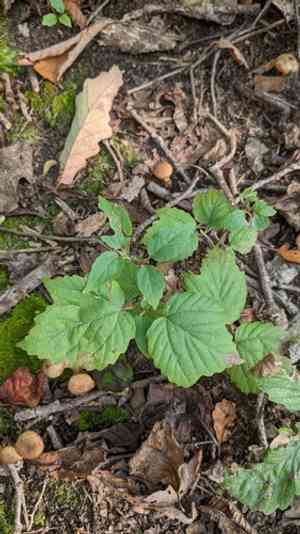
When adding Mapleleaf viburnum to your garden, grasping its growth habits is key. This deciduous shrub typically reaches 4-6 feet tall, offering a modest yet noticeable presence. Its maple-like leaves provide a medium to coarse texture, making it adaptable for various garden designs. Mapleleaf viburnum usually forms a rounded shape, and its dense foliage creates a lush, full appearance. Knowing these traits helps you strategically place it for optimal impact and health.
Seasonal Changes: What to Expect
A captivating feature of Mapleleaf viburnum is its striking seasonal transformations. In spring, expect clusters of small, white flowers, adding delicate charm. By summer, these flowers yield pinkish-red berries, maturing to black, beautifully contrasting the green foliage. Come fall, the leaves turn stunning shades of pink, red, and purple, making it a dynamic, ever-changing garden element. These shifts ensure continuous visual interest throughout all seasons.
Choosing the Right Spot for Mapleleaf viburnum
Mapleleaf viburnum thrives best in well-drained soil and partial to full shade, making it ideal for challenging areas. When selecting a location, consider spots benefiting from its height and dense growth, such as property borders or forest understories. Its adaptability to various soil types and light conditions allows integration into different garden areas, ensuring it complements your existing landscape.
Benefits of Including Mapleleaf viburnum in Landscape
Enhancing Aesthetic Appeal
Mapleleaf viburnum significantly boosts any landscape's aesthetic. Its attractive foliage, flowers, and berries offer a continuous display of beauty, with vibrant, season-changing colors. The unique, maple-like leaf shape adds a pleasing textural element. Whether used as a background plant or a standalone feature, its visual appeal can elevate your landscape's overall look.
Contributing to Biodiversity
Adding Mapleleaf viburnum to your landscape fosters biodiversity. Its flowers attract various pollinators, including bees and butterflies, while its berries provide a valuable food source for birds. This interaction supports a healthy ecosystem, encouraging more wildlife in your garden. By including it, you create a vibrant, life-sustaining environment for local flora and fauna.
Low Maintenance Advantages
Mapleleaf viburnum is an excellent choice for gardeners seeking a low-maintenance yet beautiful addition. It requires minimal pruning and is relatively resistant to pests and diseases. Its hardy nature means it thrives with basic care, making it practical for those preferring less intensive gardening. This ease of maintenance allows you to enjoy its beauty without significant time and effort.
Designing with Mapleleaf viburnum: Creative Ideas
Companion Planting for Mapleleaf viburnum
Companion planting is a great way to maximize Mapleleaf viburnum's impact. Pair it with shade-loving perennials like ferns and hostas, which complement its growth and enhance garden aesthetics. Ground covers like wild ginger or foamflowers also make excellent companions, filling in around the base and adding layers of texture and color. These combinations ensure a cohesive and visually appealing garden design.
Using Mapleleaf viburnum as a Focal Point
Mapleleaf viburnum can serve as a stunning focal point in your landscape design. Its seasonal changes, height, and leaf texture make it an attention-grabbing feature. Place it in prominent locations such as near entrances, along walkways, or as a central element in garden beds. By doing so, you highlight its unique characteristics, creating a compelling visual anchor in your garden.
Incorporating Mapleleaf viburnum into Various Garden Styles
Mapleleaf viburnum is versatile enough for various garden styles. For a woodland garden, combine it with native plants and natural elements like rocks and mulch. In a more formal garden, use it to create structured hedges or border plants. Its adaptability allows experimentation with different design schemes, ensuring it enhances your garden regardless of style.
Maintaining Mapleleaf viburnum in Your Landscape
Pruning and Managing Growth
Maintaining Mapleleaf viburnum involves occasional pruning to shape it and encourage healthy growth. The best time to prune is after flowering, removing dead or damaged branches and thinning congested areas to improve air circulation. Regular pruning helps maintain its aesthetic appeal and ensures it remains a vibrant part of your garden.
Seasonal Care Tips
Seasonal care for Mapleleaf viburnum is straightforward. In spring, apply a balanced fertilizer for new growth, and mulch around the base to retain moisture and deter weeds. During dry periods, water deeply to hydrate the roots. In fall, clean up fallen leaves and berries to prevent pest issues. These simple steps maintain its health and vitality year-round.
Addressing Common Challenges
While Mapleleaf viburnum is generally hardy, it can occasionally face challenges like powdery mildew or aphid infestations. Monitor plants regularly and use organic treatments if issues arise. Ensuring good air circulation and proper spacing can also minimize disease risks. Addressing these challenges promptly will keep your Mapleleaf viburnum healthy and thriving.



