Enhancing Your Garden Design with the Common vervain Plant: A Landscaping Guide
1
Common vervain flourishes in soil that drains effectively and receives ample direct sunlight.
2
Integrating Common vervain with indigenous flora can result in an aesthetically pleasing and ecologically beneficial garden.
3
Establishing Common vervain in the early spring promotes robust development and vivid flowering.
Introducing Common Vervain in Garden Design
Overview of Common Vervain's features relevant to garden aesthetics
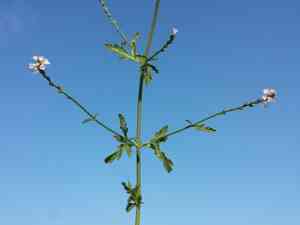
Common vervain is recognized for its delicate, lavender-blue blossoms and its capacity to draw in pollinators such as bees and butterflies. Its tall, slender stalks make it an excellent option for adding vertical interest to your garden. The foliage is typically a deep green, offering a lush backdrop to its striking flowers. Given its moderate height, Common vervain integrates well into various garden styles, whether you're aiming for a natural meadow look or a more structured landscape.
The increasing popularity of using Common Vervain in contemporary gardens
In recent years, Common vervain has gained favor among gardeners and landscape designers due to its minimal upkeep and adaptability. It is frequently included in pollinator gardens and sustainable landscapes because of its hardiness and ecological advantages. Its ability to thrive in diverse soil types and climates makes it a preferred choice for both novice and experienced gardeners. Furthermore, its visual appeal and functionality contribute to its growing use in modern garden designs.
Optimal Placement for Common Vervain's Visual Impact
Identifying prime locations in your garden for planting Common Vervain
To maximize Common vervain's visual effect, consider placing it in areas that receive ample sunlight for most of the day. It's ideal for borders, where its height and color can form a striking background for shorter plants. Additionally, Common vervain can be utilized in rock gardens or as part of a perennial bed. Its ability to blend well with other plants without dominating them makes it an excellent choice for mixed plantings.
How light exposure influences Common Vervain's growth and appearance
Common vervain thrives best in locations with abundant sunlight. While it can endure partial shade, full sun ensures optimal blooming and vigorous growth. Insufficient light can lead to leggy stems and fewer flowers, which might diminish its intended aesthetic contribution to your landscape. Therefore, selecting a planting site with at least six hours of direct sunlight daily is essential.
Companion Plants for Common Vervain
Best companion plants for Common Vervain in landscape planning
When designing your garden, consider using plant companions that enhance Common vervain's beauty and vitality. Excellent companions include coneflowers, ornamental grasses, and salvia, all of which share similar sunlight and soil requirements. These combinations not only look stunning but also support a vibrant, buzzing ecosystem by attracting various pollinators.
How to create visually appealing plant groupings with Common Vervain
Creating a visually appealing garden with Common vervain involves balancing colors, heights, and textures. Pairing it with yellow or white flowering plants can create a striking contrast to its bluish-purple blooms. Incorporating plants with varying heights and textures around Common vervain can add depth and interest to your landscape. For example, you can plant lower-growing ground covers at the base and taller shrubs or trees in the background, framing Common vervain beautifully.
Seasonal Care for Common Vervain
Optimal planting times for Common Vervain to ensure robust growth
The best time to plant Common vervain is in early spring, immediately after the last frost. This timing allows the plant ample opportunity to establish roots and grow throughout the warmer months. Alternatively, you can plant it in the fall, enabling it to acclimate before the next growing season. Both timings ensure that Common vervain will flourish and enhance your garden's beauty for many years.
Managing Common Vervain across different weather conditions and seasons
Common vervain is relatively low maintenance, but a few seasonal considerations can ensure its peak performance. In summer, water the plant regularly, especially during dry spells, to keep the soil adequately moist but not waterlogged. In winter, Common vervain can tolerate cold weather, but mulching around its base can offer additional protection. Pruning dead or damaged stems in early spring encourages new growth and maintains a tidy appearance.
Sustainability and Environmental Benefits of Common Vervain
How Common Vervain contributes to an eco-friendly garden environment
Common vervain offers numerous ecological advantages, making it an excellent choice for sustainable gardening. It requires minimal chemical inputs since it's pest-resistant and drought-tolerant once established. This resilience helps reduce the need for pesticides and excessive watering, which promotes an environmentally friendly garden. Additionally, Common vervain improves soil health by enriching it organically as it decomposes.
Utilizing Common Vervain to boost local biodiversity and foster sustainability
By planting Common vervain, you're contributing to local biodiversity. Its flowers attract various pollinators, including bees, butterflies, and beneficial insects, supporting the ecosystem. Additionally, Common vervain serves as a food source for many species, helping maintain a balanced and healthy garden environment. Utilizing native plants like Common vervain can create a self-sustaining garden that aligns with local ecological conditions and promotes sustainability.



